What Dark0de Was and How It Operated
Dark0de functioned as a general-purpose darknet marketplace, similar in structure to Alphabay Market and Archetyp Market. It offered a wide range of product categories and used escrow systems to mediate transactions between buyers and sellers. The platform required users to create accounts and maintain reputation scores, mirroring the trust mechanisms found on legitimate e-commerce sites but applied to illegal goods.
The marketplace used Monero and Bitcoin for transactions, with Monero preferred by privacy-conscious users due to its built-in anonymity features. Like other darknet markets, Dark0de relied on the Tor network to mask user IP addresses and server locations. Vendors could list products, and buyers could leave reviews and ratings, creating a feedback system that theoretically incentivized honest dealing. The market charged commission fees on transactions, generating revenue for its operators.
Market Competition and the Darknet Ecosystem
Dark0de operated in an intensely competitive environment alongside markets like ASAP Market, Bohemia Market, and Cannahome Market. Each marketplace competed for users by offering different features, product selections, and security promises. Some markets emphasized speed of transactions, others claimed superior security, and a few specialized in particular product categories.
This fragmentation meant that no single market dominated the darknet for long. When one market faced technical issues, law enforcement pressure, or exit scams, users migrated to alternatives. Dark0de's positioning as a reliable general marketplace was its primary selling point, but this claim was constantly tested by competing platforms. The constant churn of markets opening and closing created an unstable ecosystem where user trust was fragile and easily broken.
Why Darknet Markets Attract Law Enforcement
Darknet markets operate in a legal gray zone that makes them inevitable targets for law enforcement agencies worldwide. Unlike surface web retailers, these platforms facilitate transactions in illegal goods without the regulatory oversight that legitimate businesses face. Law enforcement agencies have developed specialized units to monitor Tor network activity, identify marketplace operators, and gather evidence for prosecution.
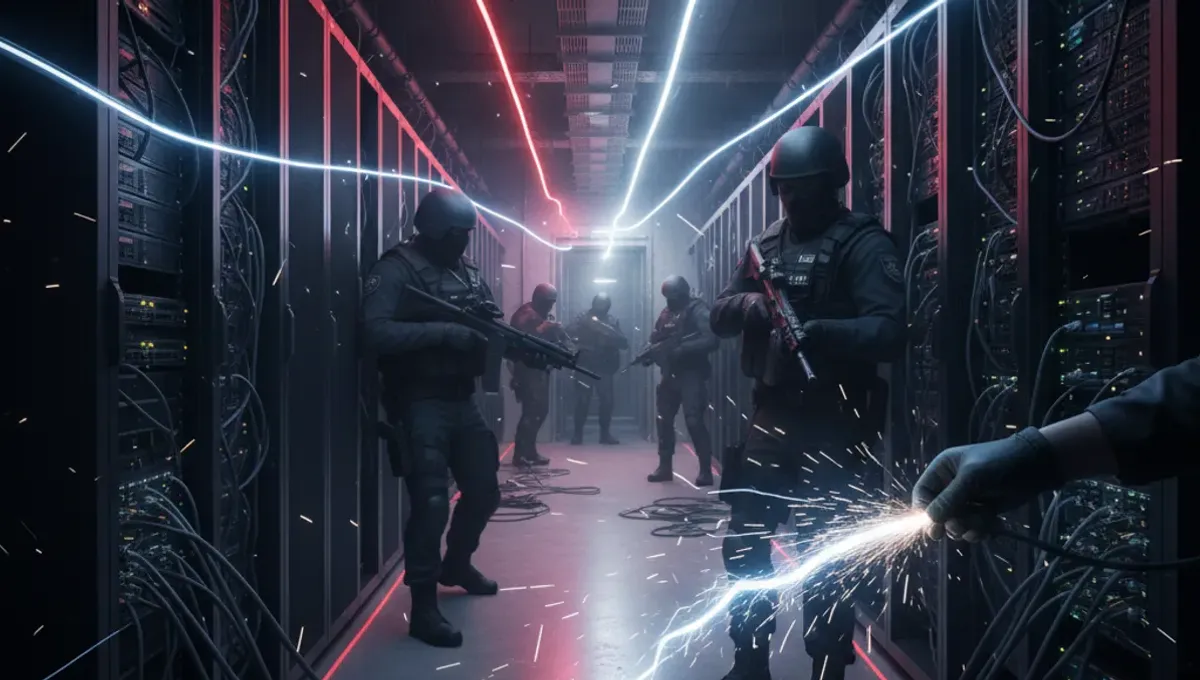
The challenge for authorities is that Tor's design makes direct server identification difficult. However, operational security failures by market administrators, cryptocurrency transaction analysis, and informant tips have repeatedly led to successful takedowns. When markets are seized, law enforcement typically arrests operators, seizes cryptocurrency holdings, and publishes evidence of illegal activity. This creates a cycle where markets operate for months or years before being dismantled, then new ones emerge to replace them.
Reality Check: How Darknet Markets Actually Fail
Most darknet markets fail through one of three mechanisms: law enforcement seizure, exit scams by administrators, or technical collapse due to poor security practices. Exit scams occur when market operators simply disappear with user funds held in escrow, a risk that has affected thousands of users across multiple platforms. Security-vendor incident reports and court records show that even markets claiming military-grade encryption have been compromised through database breaches, insider theft, or poor operational security by administrators.
The Tor Project's own documentation emphasizes that Tor provides anonymity for users, not absolute protection against determined adversaries with resources and legal authority. Court records from past market seizures reveal that investigators often identify operators through payment patterns, server rental records, and communication metadata rather than by breaking Tor itself. This matters to ordinary users because it means that using a darknet market carries real legal and financial risk, regardless of the platform's security claims.
Phishing Clones and Verification Challenges
A persistent problem in the darknet marketplace ecosystem is the proliferation of phishing clones. When a market gains reputation, scammers create fake versions with similar names and interfaces, hoping to trick users into depositing funds or revealing credentials. These clones are often hosted on different Tor addresses but styled to look identical to the legitimate market.
Users attempting to verify whether they are accessing the real Dark0de or a clone face a significant challenge. The legitimate approach involves checking PGP-signed announcements from market administrators on trusted forums or the market's official communication channels. However, if a user is already on a phishing site, they will see fake announcements that appear authentic. This is why security researchers recommend bookmarking official addresses only after verifying PGP signatures through multiple independent sources, and never relying on search results or third-party links to access darknet markets.
What Happened to Dark0de
The specific timeline and final status of Dark0de market has changed over time, and reports vary depending on the source. Like many darknet markets, it experienced periods of downtime, technical issues, and user complaints about reliability. Some sources indicate the market faced law enforcement action, while others suggest it may have closed due to operational failures or an exit scam. The exact circumstances are difficult to verify with certainty because darknet markets do not publish official closure statements in the way legitimate businesses do.
What is documented is that Dark0de, like Alphabay, Archetyp, ASAP, Bohemia, and Cannahome markets before it, is no longer reliably accessible as a functioning marketplace. Users seeking information about its current status should verify through the Useful Resources page of this site and through PGP-signed announcements from trusted security researchers, rather than relying on cached pages or third-party claims about whether the market is still online.
Lessons for Understanding Darknet Risk
The rise and fall of markets like Dark0de illustrates several concrete lessons about darknet security and risk. First, no marketplace, regardless of its claims, offers complete protection from law enforcement or from theft by administrators. Second, the anonymity provided by Tor protects user identity but does not protect user funds from exit scams or from seizure if a market is taken offline. Third, the constant cycle of market closures and replacements means that any specific marketplace is a temporary entity, not a stable platform.
For ordinary users, the key takeaway is that participation in darknet markets carries legal consequences in most jurisdictions, financial risk from scams and seizures, and operational security challenges that most casual users are not equipped to handle. Understanding how these markets work and why they fail is valuable for security awareness, but it is not a foundation for safe participation. If you are researching darknet markets for academic, journalistic, or security purposes, focus on documented case studies and law enforcement records rather than attempting to access active marketplaces.
Frequently asked
What was Dark0de market used for
Dark0de was a general-purpose darknet marketplace that operated on Tor, offering a wide range of product categories and using escrow systems to mediate transactions. It functioned similarly to other darknet markets like Alphabay and Archetyp, with vendor ratings and cryptocurrency payments. The market is no longer reliably accessible.
How did Dark0de market get shut down
The specific circumstances of Dark0de's closure are not entirely clear from public sources. Like many darknet markets, it may have faced law enforcement action, technical failures, or an exit scam by administrators. Verification of the exact status requires checking PGP-signed announcements from trusted security researchers rather than relying on third-party claims.
Is Dark0de market still online
Dark0de is not reliably accessible as a functioning marketplace. The status of darknet markets changes frequently due to law enforcement action, technical issues, and exit scams. To verify the current status of any darknet market, consult the Useful Resources page of this site and check for PGP-signed announcements from security researchers.
How do you know if a darknet market is a phishing clone
Phishing clones are fake versions of legitimate markets designed to steal user funds. The only reliable way to verify a market's authenticity is to check PGP-signed announcements from the market's official channels on trusted forums. Never rely on search results or third-party links to access darknet markets, and always verify addresses through multiple independent sources.
Why do darknet markets keep getting shut down
Darknet markets are targeted by law enforcement agencies worldwide because they facilitate illegal transactions. Investigators use cryptocurrency analysis, server rental records, and communication metadata to identify and prosecute market operators. Even Tor's anonymity does not protect against determined adversaries with legal authority and resources.