What Darknet Markets Actually Are
Darknet markets are websites hosted on the Tor network, accessible only through the Tor Browser. They function like conventional e-commerce platforms: vendors create listings, buyers browse and purchase, and the platform takes a commission. The core difference is that all parties operate under pseudonyms, transactions use cryptocurrency, and the infrastructure is designed to resist takedown and surveillance.
These markets emerged after the Silk Road seizure in 2013, and dozens have launched, operated for months or years, then closed, been seized by law enforcement, or collapsed in exit scams. Each market has its own rules, fee structure, and reputation system. Some require PGP-encrypted messages between buyer and vendor; others use built-in messaging. The marketplace itself never holds your funds directly in most modern designs; instead, you deposit cryptocurrency into an escrow account managed by the platform, which releases it to the vendor only after you confirm receipt of goods.
How Anonymity Actually Works (and Doesn't)
The Tor Browser routes your traffic through multiple relays, making your IP address invisible to the website you visit. This is genuinely effective against casual surveillance. However, Tor is not a magic shield. Law enforcement agencies, academic researchers, and security firms have repeatedly identified users through traffic analysis, metadata leaks, operational security mistakes, and cooperation with hosting providers.
Many noobs believe that using Tor alone makes them untraceable. In reality, your behavior online, the timing of your transactions, the content you access, and how you interact with the platform all create a fingerprint. If you reuse usernames across markets, mention identifying details in messages, or use the same cryptocurrency wallet across multiple transactions, you create a trail. Additionally, if you receive physical goods at your home address, law enforcement can connect the package to you regardless of how anonymous your online activity was.
Common Scams and How Noobs Get Targeted
Phishing is the most effective attack against newcomers. Scammers create clone sites that look identical to legitimate markets, register similar .onion addresses, and post links on forums and social media. A noob visits the fake site, deposits cryptocurrency, and loses it immediately. The legitimate market address is never compromised; the victim simply never reaches it.
Vendor scams are also rampant. A vendor takes payment, marks the order as shipped, and never sends anything. The market's escrow system is supposed to protect you, but if you release funds early or if the vendor has a high reputation score (which can be artificially inflated through wash trading), you have no recourse. Exit scams, where the market operators themselves disappear with all deposited funds, have happened repeatedly. The best darknet market for any given purpose today may not exist next month. Malware is another vector: some listings contain trojans disguised as the advertised product, and some markets themselves have been compromised to inject malware into downloads.
Reality Check: What Law Enforcement Actually Does
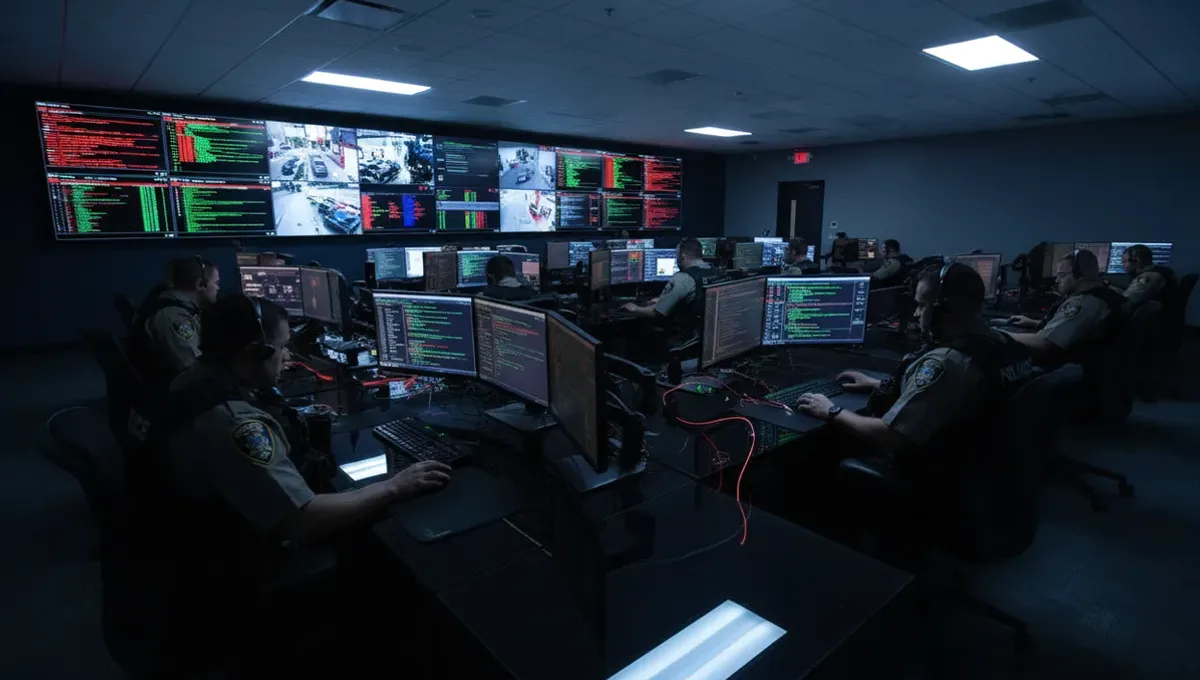
Law enforcement agencies worldwide have successfully identified and prosecuted darknet market users, vendors, and operators. Court records show that investigators use blockchain analysis to trace cryptocurrency transactions, subpoena hosting providers for server logs, conduct undercover operations posing as vendors or buyers, and use traffic analysis combined with traditional detective work to identify suspects.
The Silk Road operator Ross Ulbricht was identified through a combination of forum posts, email metadata, and server logs. More recently, law enforcement has taken down major markets including Wall Street Market, Dream Market (partially), and others. These operations typically result in arrests, asset seizures, and prosecution under money laundering, drug trafficking, and conspiracy statutes. The key insight for newcomers is that anonymity online is not the same as legal immunity. If you engage in illegal activity on a darknet market, you are not invisible to determined investigators with proper legal authority and resources.
The Darknet Market Noobs Bible: What You Should Actually Read
Before exploring any market, read the Tor Project's official documentation on how Tor works and its limitations. Understand that Tor protects your ISP from seeing what sites you visit, but it does not protect you from the sites themselves, from your own mistakes, or from law enforcement with a warrant.
Read security guides from established privacy organizations about operational security (OpSec): how to compartmentalize your online identities, use separate devices or virtual machines, manage cryptocurrency securely, and avoid deanonymization through behavioral patterns. Study the history of past markets and why they failed. Look at public court documents and law enforcement press releases to understand how real investigations work. This knowledge is far more valuable than any market-specific tutorial. The darknet market noobs bible is not a single document; it is the accumulated public record of how these systems have failed, been exploited, and been taken down.
Why Newcomers Should Pause Before Participating
The best darknet market 2022, 2023, or any year is ultimately irrelevant if you do not understand the fundamental risks. Newcomers often arrive with a specific goal in mind: buying a particular substance, accessing banned content, or simply exploring out of curiosity. That goal can blind you to the ecosystem's actual hazards.
Consider the practical consequences: if you lose cryptocurrency to a scam, you have no recourse and no way to recover it. If you receive a package containing illegal goods and law enforcement intercepts it, you face criminal charges. If you use the same password or username across multiple accounts, a breach at one market exposes you across all of them. If you access a market from a device that also contains identifying information, you create a connection. The best darknet market for LSD, for any drug, or for any illicit good is the one you never access, because the safest participation is non-participation.
Moving Forward: What to Do Right Now
If you are genuinely curious about how darknet markets operate from a technical or historical perspective, start by reading public security research, law enforcement reports, and journalism about past markets. Understand the technology: how Tor works, how cryptocurrency transactions are traced, how markets implement escrow and reputation systems. This knowledge is valuable and legal.
If you are considering actual participation, stop and ask yourself why. If it is to purchase illegal goods, understand that you are accepting real criminal and personal risk for a transaction that could be intercepted, scammed, or traced. If it is out of curiosity, satisfy that curiosity through research and documentation rather than direct involvement. The darknet is not a game or a rite of passage. It is a real infrastructure with real consequences. Your next step should be to read the Tor Project's official documentation, explore academic research on onion services, and visit the Useful Resources section of this site for verified information sources.
Frequently asked
What is a darknet market for beginners
A darknet market is an online marketplace hosted on the Tor network where vendors and buyers trade goods and services using cryptocurrency and pseudonyms. It functions like a conventional e-commerce site but with built-in anonymity features and no traditional payment processors or regulatory oversight.
Is using Tor enough to stay anonymous on darknet markets
No. Tor protects your IP address from the website, but it does not protect you from law enforcement, behavioral analysis, or your own mistakes. Reusing usernames, mentioning identifying details, or receiving physical goods at your address can all compromise your anonymity regardless of Tor.
How do noobs get scammed on darknet markets
The most common scams are phishing clones that look identical to real markets, vendors who take payment and never ship, and exit scams where the market operators disappear with all deposited funds. Malware disguised as products is also a significant risk.
Can law enforcement trace darknet market transactions
Yes. Law enforcement uses blockchain analysis to trace cryptocurrency, subpoenas hosting providers, conducts undercover operations, and uses traffic analysis combined with traditional investigation. Multiple market operators and users have been successfully prosecuted.
What should a darknet market noob read before exploring
Read the Tor Project's official documentation, security guides on operational security from privacy organizations, and public court records and law enforcement reports about past market takedowns. This foundation is far more valuable than any market-specific tutorial.