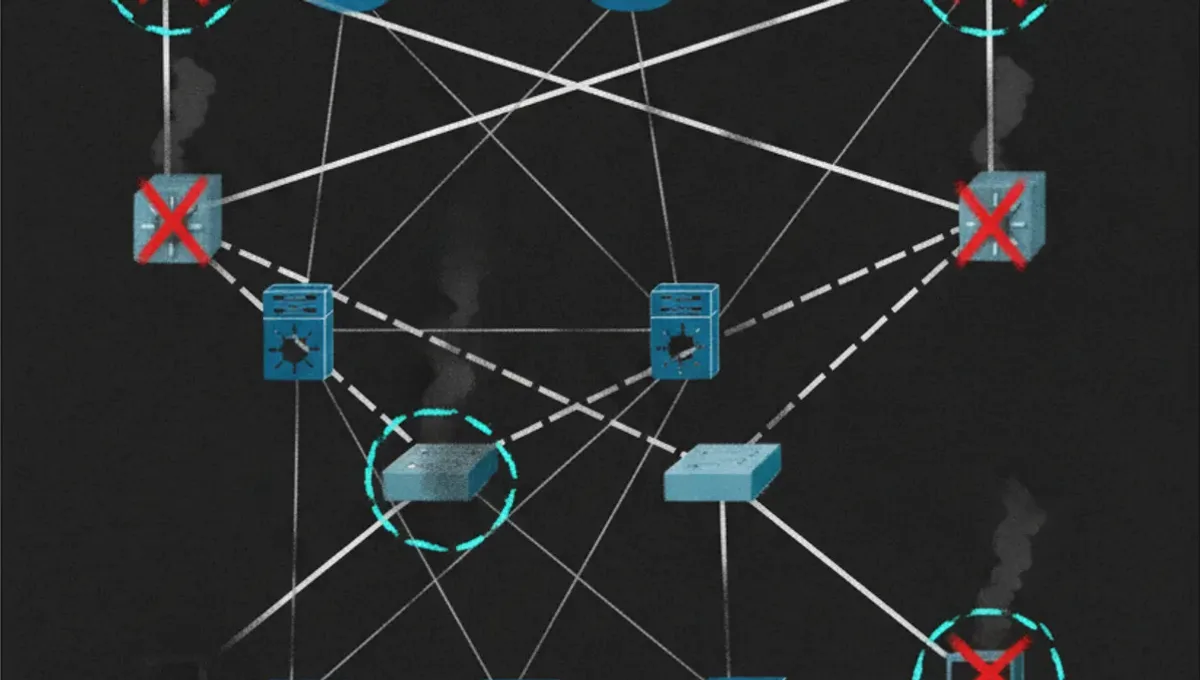
What Empire Market Was and Its Scale
Empire Market operated as a general-purpose darknet marketplace similar in structure to other major platforms. At its peak, the marketplace hosted thousands of vendor accounts and served a global user base. The platform processed transactions in Bitcoin and Monero, with escrow systems designed to reduce fraud between buyers and vendors.
The marketplace's size made it a target for law enforcement and a focal point for security researchers studying darknet economics. Empire Market's operational period coincided with increased scrutiny of darknet markets following high-profile seizures and arrests. The platform's infrastructure relied on distributed hosting and redundant mirror sites to maintain availability despite takedown attempts.
Timeline of Empire Market Operations
Empire Market launched in 2018 as a successor to other closed marketplaces. The platform grew rapidly through 2019 and early 2020, attracting vendors and buyers displaced from seized markets. In August 2020, the marketplace went offline unexpectedly, with administrators claiming a server compromise and data breach.
Following the shutdown, users reported significant losses. The exact circumstances remain disputed: some claim the administrators executed an exit scam, while others point to potential law enforcement action or a genuine security breach. The sudden closure left thousands of transactions in escrow and vendors unable to access their accounts or funds.
How Empire Market Functioned Technically
Empire Market used a multi-signature escrow system where cryptocurrency was held by the platform until both buyer and seller confirmed transaction completion. Vendors paid fees to list products and maintain storefronts. The marketplace implemented PGP encryption for communications between users and offered dispute resolution mechanisms.
The platform operated multiple .onion mirrors to distribute traffic and reduce the impact of denial-of-service attacks. Users accessed the marketplace through Tor Browser, which anonymized their IP addresses. The technical architecture was similar to other major darknet markets, with database servers, payment processors, and administrative tools distributed across multiple hosting providers.
Reality Check: Why Darknet Markets Fail
According to Tor Project documentation and public law enforcement press releases, darknet markets face three primary failure modes: law enforcement seizure of infrastructure, exit scams by administrators, and security breaches exposing user data. Understanding these patterns matters because they affect where users migrate their activity and how they evaluate trust in new platforms.
Empire Market's closure exemplified the uncertainty users face: without transparent communication or verifiable proof of what happened, the community splits between competing narratives. This ambiguity drives users toward platforms with stronger reputation systems or decentralized architectures. The lack of regulatory oversight means there is no official investigation report or court filing to resolve the facts, leaving researchers and users to piece together evidence from forum posts, blockchain analysis, and leaked data.
User Base and Transaction Volume
At its peak, Empire Market hosted tens of thousands of active vendor accounts across multiple product categories. Transaction volume estimates vary widely because blockchain analysis cannot definitively link all addresses to the marketplace. Security researchers tracking darknet markets noted that Empire Market's daily transaction count placed it among the top three platforms globally during 2019 and early 2020.
The user base included both experienced darknet participants and newcomers seeking alternatives to seized platforms. Geographic distribution skewed toward North America and Europe, though vendors and buyers from other regions participated. The marketplace's multilingual interface and support for multiple cryptocurrencies reflected its international scope.
Vendor Ecosystem and Product Categories
Empire Market vendors operated storefronts selling digital goods, services, and physical items. The marketplace's structure incentivized vendor reputation building through feedback systems and transaction history. Vendors paid listing fees and commission percentages on sales, creating a revenue model for platform administrators.
The vendor ecosystem included both established sellers migrating from closed markets and new entrants testing the darknet for the first time. Vendor reliability varied significantly, with some maintaining consistent shipping and communication while others disappeared after receiving payment. The platform's dispute resolution system attempted to mediate conflicts, though outcomes depended on administrator judgment and available evidence.
Security Risks and User Losses
When Empire Market went offline, users with funds in escrow or vendor accounts faced immediate losses. The sudden closure meant no mechanism for withdrawing cryptocurrency or resolving pending transactions. Users who had deposited funds into personal marketplace wallets lost access entirely.
The incident highlighted operational risks specific to centralized darknet markets. Unlike decentralized alternatives, Empire Market concentrated all user funds and data on servers controlled by a single administrative team. This concentration created a single point of failure: if administrators disappeared, were arrested, or executed a scam, users had no recourse. The closure reinforced lessons from previous market failures and influenced how subsequent platforms designed their escrow and withdrawal systems.
What Happened After Empire Market Closed
Following the shutdown, users migrated to alternative marketplaces including White House Market, Tor2Door, and other platforms. The displaced vendor base and user activity redistributed across the ecosystem rather than consolidating on a single successor. Some users shifted toward decentralized marketplaces or peer-to-peer trading channels to reduce exposure to administrative risk.
Law enforcement agencies monitored the migration patterns and continued investigating the circumstances of Empire Market's closure. Security researchers published analyses of leaked data and blockchain transactions associated with the marketplace. The incident became a case study in darknet market stability and the factors that determine whether platforms survive or collapse.
Frequently asked
When did Empire Market shut down
Empire Market went offline in August 2020 after operating for approximately two years. The exact cause remains disputed, with claims ranging from a security breach to an exit scam to law enforcement action. No official investigation report has clarified the circumstances.
How many users did Empire Market have
Exact user counts are not publicly documented. Security researchers estimated tens of thousands of active accounts based on vendor listings and transaction patterns. The true number remains unknown because blockchain analysis cannot definitively attribute all transactions to the platform.
What happened to Empire Market users' money
Users with funds in escrow or stored in marketplace wallets lost access when the platform went offline. No mechanism existed to recover these funds. The total losses were estimated in the millions of dollars, though precise figures depend on cryptocurrency prices at the time of closure.
Is Empire Market still online anywhere
Empire Market has not returned to operation. Phishing clones and fake mirrors claiming to be Empire Market have appeared, but these are scams designed to steal login credentials and cryptocurrency. Always verify marketplace addresses through PGP-signed announcements from trusted sources.
What darknet markets replaced Empire Market
Users migrated to platforms including White House Market, Tor2Door, and other active marketplaces. No single successor captured all of Empire Market's user base. The ecosystem remained fragmented across multiple platforms rather than consolidating.