What Are Black Market Illegal Drugs and Where They Are Sold
Black market illegal drugs refer to controlled substances sold outside legal pharmaceutical channels. Historically, these were distributed through street dealers and criminal networks. Over the past decade, a significant portion of this trade has migrated to darknet marketplaces, where vendors use encrypted communications and cryptocurrency to conduct transactions with reduced risk of immediate identification.
These markets operate on the Tor network, accessible through the Tor Browser. Vendors list products, prices, and shipping information in a format resembling legitimate e-commerce sites. Buyers deposit cryptocurrency into escrow accounts managed by the marketplace, release funds only after receiving goods, and communicate with vendors through encrypted messages. The anonymity layer provided by Tor and cryptocurrency creates distance between buyer and seller, but does not eliminate law enforcement visibility.
How Black Market Prices for Drugs Are Set
Black market prices for drugs fluctuate based on supply, demand, purity, location, and risk premium. A substance available in one region at one price may cost significantly more in another due to scarcity, shipping distance, or local enforcement intensity. Vendors factor in the cost of sourcing, packaging, shipping, and the probability of seizure or arrest.
Prices on darknet markets are typically higher than street prices for the same substance, because vendors must account for shipping delays, customs inspection risk, and the overhead of maintaining marketplace accounts and reputation. Conversely, bulk purchases on the black market may offer discounts compared to small quantities. Cryptocurrency volatility also affects pricing; vendors sometimes adjust prices daily to maintain profit margins as exchange rates shift. Price transparency on these markets is limited; vendors compete on reputation and speed rather than on published price comparisons.
Black Market Prescription Drugs for Sale and Diversion
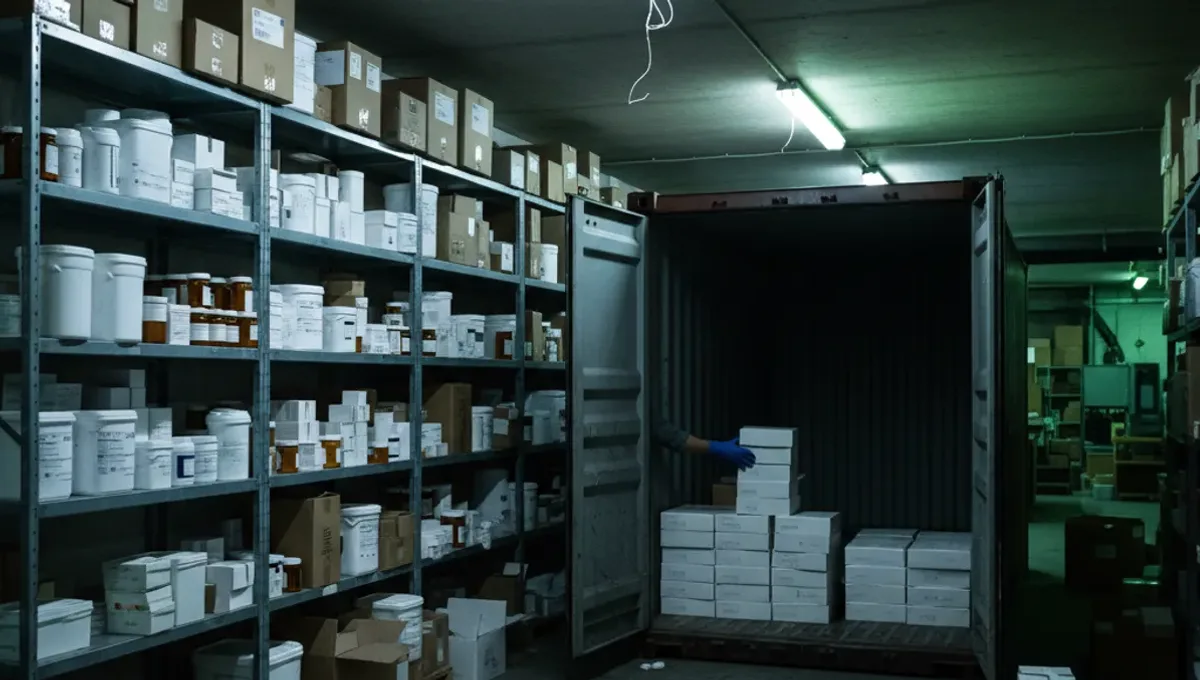
Black market prescription drugs for sale include diverted pharmaceuticals stolen from legitimate supply chains, counterfeit pills manufactured in unregulated labs, and prescriptions filled illegally by corrupt healthcare workers. Opioids, benzodiazepines, and stimulants are among the most commonly diverted medications.
Diversion occurs when a licensed pharmacy, hospital, or individual with a valid prescription sells or trades medication for profit or personal use. Counterfeit prescription drugs are manufactured to resemble legitimate medications but contain incorrect doses, inactive ingredients, or dangerous adulterants. On darknet markets, these are sold under brand names alongside illicit drugs. The danger lies not only in legal consequences but in medical risk: counterfeit pills may contain fentanyl or other potent substances, leading to overdose. Buyers cannot verify contents without laboratory testing, which most do not perform.
How Bitcoin and Cryptocurrency Enable These Markets
Bitcoin drugs market transactions rely on cryptocurrency's pseudonymous nature and irreversibility. A buyer sends cryptocurrency to a marketplace address, the marketplace holds it in escrow, and upon delivery confirmation, releases it to the vendor. This removes the need for banks, payment processors, or credit card companies, all of which maintain records and comply with law enforcement requests.
However, cryptocurrency is not anonymous by default. Every transaction is recorded on a public ledger. Law enforcement and blockchain analysis firms can trace transactions by linking wallet addresses to real identities through exchange records, IP address logs, or behavioral patterns. Vendors who fail to use mixing services or privacy coins leave a permanent record. Marketplace operators have been identified and prosecuted by following cryptocurrency trails. The belief that Bitcoin provides complete anonymity is a common misconception that has led to arrests of both vendors and buyers.
The Reality of Darknet Drug Markets: What Actually Happens
Darknet drug markets operate under constant threat of law enforcement infiltration, vendor exit scams, and buyer fraud. According to court records and law enforcement press releases, marketplaces are regularly seized, with administrators arrested and assets forfeited. Vendors frequently disappear with customer funds, a practice known as an exit scam. Buyers receive counterfeit or inert products, or nothing at all.
The Tor Project documentation confirms that Tor provides anonymity at the network layer, but does not protect against operational security failures by users. A vendor who reuses usernames across platforms, includes identifying information in messages, or fails to properly configure their device can be deanonymized. Academic research on onion services shows that marketplace administrators often maintain logs of transactions and user data, which become evidence when seized. Law enforcement has successfully prosecuted hundreds of marketplace operators and vendors by combining blockchain analysis, undercover purchases, and traditional investigation. This matters to readers because the perception of safety on these markets is largely illusory; participation carries real criminal liability.
Why These Markets Persist Despite Law Enforcement Action
Black market illegal drugs markets persist because demand remains constant, profit margins are high, and new marketplaces launch quickly after older ones are shut down. The barrier to entry for a marketplace operator is relatively low: basic technical knowledge of server administration, cryptocurrency, and Tor is sufficient. Vendors migrate to new platforms, buyers adapt to new addresses, and the cycle repeats.
Law enforcement faces resource constraints and jurisdictional challenges. A marketplace operator in one country may be beyond the reach of another country's law enforcement. Cryptocurrency transactions are difficult to reverse or recover. The decentralized nature of Tor means that shutting down one marketplace does not disable the network. However, each marketplace seizure results in vendor arrests, buyer prosecutions, and asset forfeitures. The cumulative effect is that participation carries increasing legal risk over time, even as new markets emerge.
Risks and Misconceptions About Black Market Drug Purchases
The primary risks of purchasing black market illegal drugs include legal prosecution, overdose or poisoning from adulterated substances, financial loss to scams, and deanonymization through operational security failures. Many buyers believe that using Tor and cryptocurrency provides complete anonymity; this is false. Law enforcement has successfully prosecuted thousands of darknet market participants by combining technical investigation with traditional detective work.
A common misconception is that marketplace reputation systems provide safety. Vendors with high ratings can still exit scam or sell dangerous products. Reputation can be faked through collusion or purchased from other vendors. Another misconception is that law enforcement is primarily interested in buyers rather than vendors; in reality, both are prosecuted, with sentences for vendors typically longer. A third misconception is that purchasing small quantities for personal use carries minimal legal risk; many jurisdictions prosecute possession with intent to distribute based on quantity alone, regardless of stated intent. Understanding these risks is the first step toward avoiding them.
What You Should Do Instead: Safer Alternatives and Next Steps
If you are struggling with substance use, evidence-based treatment and harm reduction services are available through legitimate healthcare providers, community health centers, and nonprofit organizations. These services are confidential and do not require law enforcement involvement. If you are researching darknet markets for academic, journalistic, or security purposes, consult the Tor Project documentation, published law enforcement reports, and academic papers on onion services rather than accessing active marketplaces.
If you have information about illegal drug trafficking, you can report it anonymously to law enforcement through official channels. If you are concerned about your own past participation in these markets, consulting with a criminal defense attorney is a prudent step. The most direct action you can take today is to verify that any information you have about darknet markets comes from official sources, published research, or law enforcement announcements rather than from marketplace operators or vendors with financial incentives to mislead you.
Frequently asked
How do black market drugs get sold on the dark web?
Vendors list products on darknet marketplaces accessible through Tor, accept cryptocurrency payment held in escrow by the marketplace, and ship physical goods through postal services. Buyers and sellers communicate through encrypted messages. The marketplace operator takes a commission on each transaction and maintains the platform infrastructure.
What is the price of black market drugs compared to street prices?
Darknet prices are typically higher than street prices because vendors must account for shipping, customs risk, and marketplace overhead. Bulk purchases may offer discounts. Prices vary significantly by region, substance, purity, and current supply. Cryptocurrency volatility also affects pricing as vendors adjust rates daily.
Can you really stay anonymous buying drugs with Bitcoin?
Bitcoin transactions are pseudonymous, not anonymous. Every transaction is recorded on a public ledger that law enforcement and blockchain analysis firms can trace. Buyers who fail to use privacy coins or mixing services leave a permanent record. Many darknet market participants have been identified and prosecuted through cryptocurrency analysis combined with other investigation techniques.
What happens if you get caught buying drugs on the dark web?
Penalties vary by jurisdiction and quantity but typically include criminal charges for possession or possession with intent to distribute, fines, and imprisonment. Law enforcement has prosecuted thousands of darknet market buyers. Sentences are often longer for vendors than for buyers, but both face prosecution. A criminal defense attorney should be consulted if you have concerns about past activity.
Are darknet drug markets actually shut down by law enforcement?
Yes. Major marketplaces have been seized, with administrators arrested and assets forfeited. However, new marketplaces launch regularly. Each seizure results in vendor arrests and buyer prosecutions, increasing cumulative legal risk. The cycle of marketplace shutdown and replacement continues, but participation carries real criminal liability each time.