What Constitutes Black Market Prescription Drugs
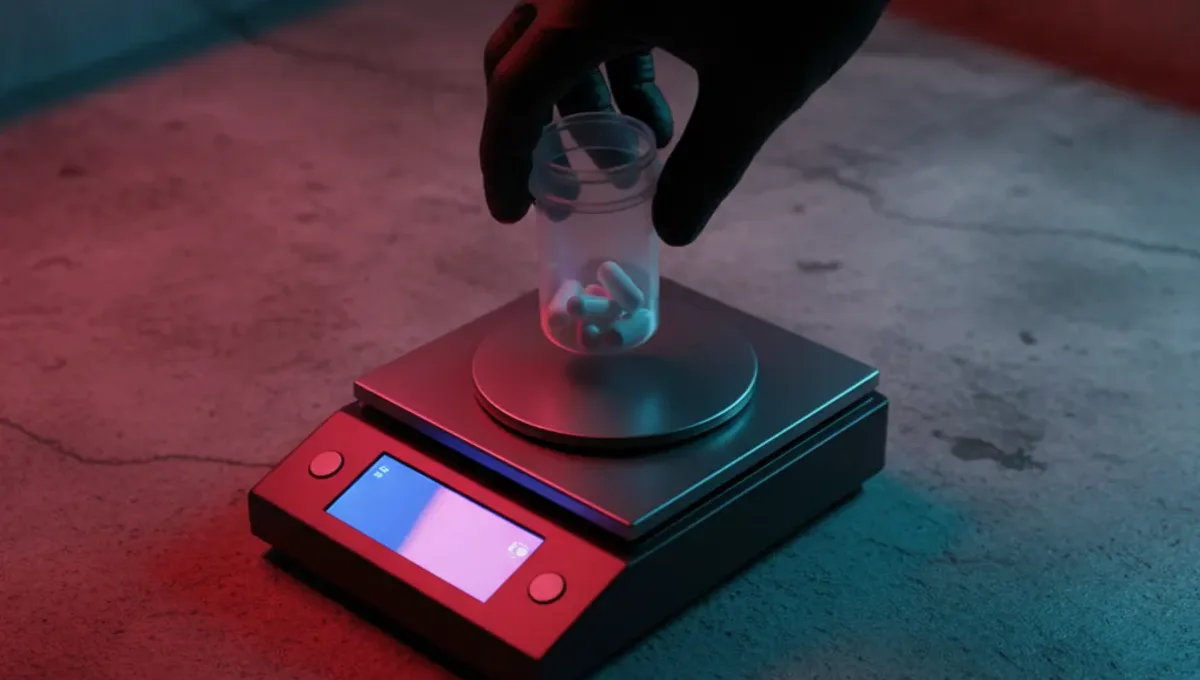
Black market prescription drugs include legitimate medications obtained illegally, counterfeit pills designed to mimic real pharmaceuticals, and diverted stock from licensed pharmacies or hospitals. A diverted medication might be a genuine antibiotic stolen from a warehouse; a counterfeit version might contain no active ingredient, a weaker dose, or a dangerous substitute. The distinction matters because it determines the specific harm: a diverted drug retains its original potency but its chain of custody is broken, while a counterfeit offers no guarantee of safety or efficacy. Law enforcement distinguishes between these categories when prosecuting cases, and so should anyone evaluating the actual risk of a purchase.
How Black Market Illegal Drugs and Prescription Medications Overlap
Prescription medications appear on black market illegal drugs forums and marketplaces alongside heroin, cocaine and synthetic opioids. Vendors often bundle them: benzodiazepines paired with fentanyl, stimulants mixed with counterfeit Adderall. The overlap exists because the same distribution networks, payment systems and anonymity tools serve both markets. A buyer seeking black market prices for drugs might encounter a vendor offering both a prescription painkiller and illicit fentanyl, often without clear labeling of which is which. This convergence increases the risk of accidental overdose, since a counterfeit opioid tablet might contain a lethal dose of fentanyl while appearing to be a standard prescription strength medication.
Supply Routes and Diversion Points
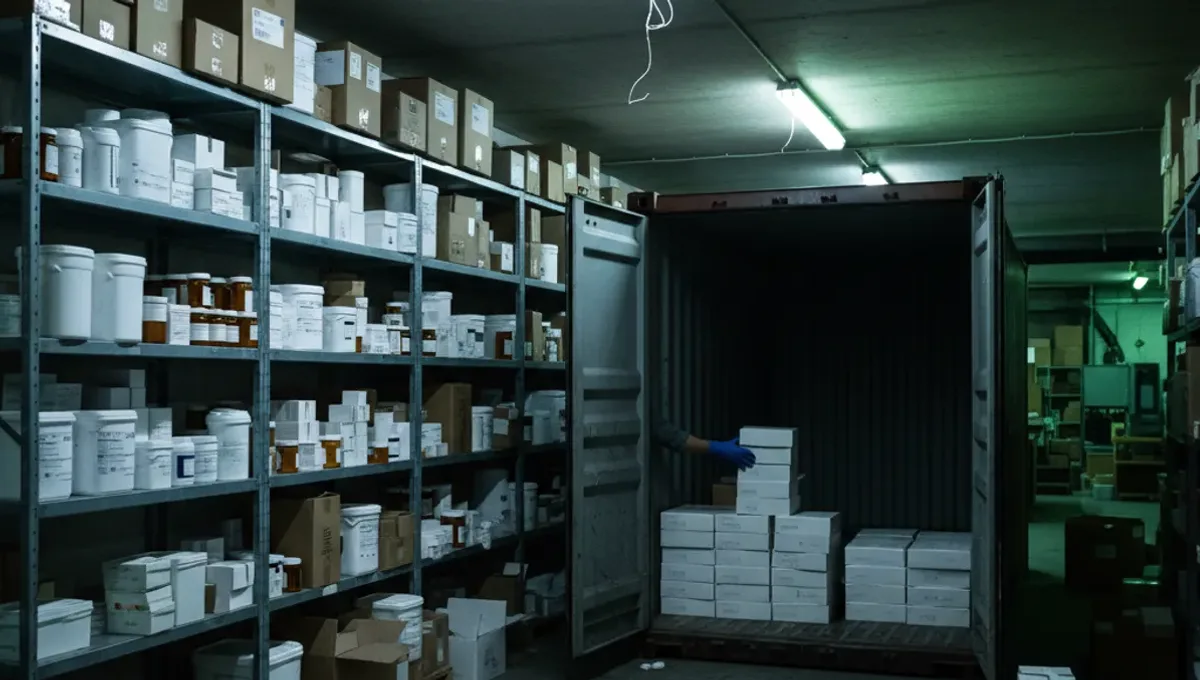
Prescription medications enter black markets through several diversion points. Pharmacy employees steal stock directly from shelves or warehouses. Doctors issue prescriptions to patients who then resell the medication. Medications are diverted at the wholesale level before reaching retail pharmacies. International shipments from countries with lax regulations are intercepted or deliberately rerouted. Once diverted, the drugs move through middlemen, then to street-level dealers or online marketplaces. The price of black market drugs reflects this chain: a legitimate pharmacy might charge 50 dollars for a month's supply of a common medication, while a black market vendor prices the same diverted stock at double or triple that amount, banking on the buyer's inability to access legal channels or desire to avoid a prescription record.
Bitcoin Drugs Market and Payment Anonymity
Bitcoin drugs market transactions provide pseudonymity but not true anonymity. Darknet marketplaces that sell black market prescription drugs typically accept Bitcoin or Monero, allowing buyers to avoid direct bank transfers that leave a paper trail. However, Bitcoin transactions are recorded on a public ledger, and law enforcement has developed tools to trace wallet addresses to real identities over time. A buyer who purchases black market prescription drugs using Bitcoin and then deposits the seller's payment into an exchange account linked to their bank account can be identified months or years later through blockchain analysis. This has led to prosecutions of both vendors and buyers. Monero offers stronger privacy guarantees, but fewer marketplaces accept it, and its adoption signals higher risk to law enforcement.
Counterfeit Detection and Contamination Risks
Counterfeit prescription medications are nearly impossible to verify without laboratory testing. A pill that looks identical to a brand-name tablet might contain talc, flour, fentanyl or nothing at all. Users have reported purchasing what appeared to be legitimate benzodiazepines only to discover the tablets were inert or laced with dangerous substances. Testing kits sold online for drug identification are unreliable for prescription medications and do not detect all adulterants. The only reliable method is mass spectrometry or chromatography, which is not accessible to individual buyers. This asymmetry of information means a buyer on a black market has no way to verify the product before consumption, creating a direct path to poisoning, overdose or medical emergency.
Law Enforcement Operations and Prosecution Patterns
Law enforcement agencies target black market prescription drug operations through multiple methods. The DEA and FBI conduct undercover purchases on darknet marketplaces, then use transaction analysis and IP logging to identify vendors and buyers. Court records from prosecutions show that vendors of black market prescription drugs face charges including distribution of controlled substances, conspiracy and money laundering. Buyers have been prosecuted for simple possession with intent to distribute, even when purchasing small quantities for personal use. Public law-enforcement press releases document seizures of thousands of counterfeit pills and arrests of pharmacy workers involved in diversion schemes. These operations demonstrate that participation in black market prescription drug transactions carries criminal liability regardless of whether the buyer intends to resell the medication.
Why Legal Alternatives Matter More Than Price
The price of black market drugs appears attractive compared to legitimate pharmacy costs, but this comparison ignores the actual cost of risk. A buyer who purchases black market prescription drugs and suffers an adverse event faces medical bills, potential criminal charges and loss of employment. Legitimate alternatives exist: generic medications are often cheaper than brand-name versions at licensed pharmacies, patient assistance programs reduce costs for those without insurance, and telehealth services provide prescriptions at lower cost than in-person visits. Some states have implemented prescription drug price transparency laws and discount programs. Comparing the full cost of a black market purchase, including legal risk and health risk, against the cost of a legitimate prescription through a discount program or generic alternative reveals that the black market option is rarely the cheaper choice when all factors are weighed. The decision to purchase black market prescription drugs is almost always driven by factors other than price: avoiding a medical record, obtaining medications without a prescription, or seeking substances that are not medically indicated.
Frequently asked
Are black market prescription drugs the same as diverted legitimate medications
Not always. Diverted medications are genuine pharmaceuticals stolen from legal supply chains, while counterfeit prescription drugs are manufactured illegally and may contain no active ingredient or dangerous substitutes. Both are sold on black markets, but the risks differ. Diverted drugs retain their original potency but have an unknown storage history. Counterfeit drugs offer no guarantee of safety or efficacy.
Can you test black market prescription drugs before using them
Consumer-grade testing kits are unreliable for prescription medications and do not detect all adulterants or contaminants. Laboratory testing like mass spectrometry is the only reliable method, but it is not accessible to individual buyers. This means you cannot verify the contents of a black market prescription drug before consumption.
What are the legal consequences of buying black market prescription drugs
Buyers can face prosecution for possession with intent to distribute, even for personal use quantities. Law enforcement uses undercover purchases and blockchain analysis to identify buyers on darknet marketplaces. Convictions result in criminal records, fines and imprisonment. The legal risk applies regardless of whether you intend to resell the medication.
How do black market prescription drugs get into circulation
Medications are diverted through pharmacy employee theft, doctor-issued prescriptions resold by patients, wholesale-level interception and international smuggling. Once diverted, they move through middlemen and dealers to online marketplaces. Each step in the chain increases the risk of contamination or substitution with counterfeit products.
Why is buying black market prescription drugs riskier than other online purchases
Because the product directly affects your health and there is no way to verify its contents before consumption. Counterfeit medications may contain lethal doses of fentanyl, inactive ingredients or toxic substances. You also face criminal liability, and the vendor has no accountability if the product causes harm.