What Are Dark Markets and Why Moldova Matters
Dark markets are online marketplaces accessible only through the Tor network, designed to obscure the location and identity of buyers, sellers and operators. They typically use cryptocurrency for transactions and employ escrow systems to reduce fraud. Moldova's significance in the darknet ecosystem stems from its position as a lower-cost hosting jurisdiction with legacy Soviet-era infrastructure and a smaller cybercrime law-enforcement presence compared to Western Europe.
Moldova has historically been a source of cybercriminal talent and a transit point for stolen data and malware distribution. The country's connection to darknet markets is less about hosting major consumer marketplaces and more about providing backend infrastructure, money laundering services, and recruitment pools for cybercriminal groups. This mirrors patterns seen in dark markets Romania, dark markets Serbia, and other Eastern European nations where technical expertise and regulatory gaps create opportunity.
Regional Context: Eastern European Dark Markets
The darknet ecosystem in Eastern Europe is fragmented across multiple jurisdictions, each with different regulatory environments and law-enforcement capacity. Dark markets Albania and dark markets Andorra, for example, have appeared in threat intelligence reports as hosting or transit points, though neither has hosted major consumer marketplaces comparable to those in Western Europe or Russia.
Dark markets Austria and dark markets Argentina represent different regional patterns: Austria sits within the EU's regulatory framework and has seen active law-enforcement action against darknet operators, while Argentina's distance from major cybercrime hubs makes it less central to European darknet activity. Moldova occupies a middle position, with weaker institutional oversight than EU members but also less organized cybercriminal infrastructure than Russia or Ukraine. Understanding Moldova's role requires recognizing that dark markets are not uniformly distributed; they cluster where technical talent, hosting infrastructure, payment systems, and law-enforcement gaps align.
How Darknet Infrastructure Operates in Moldova
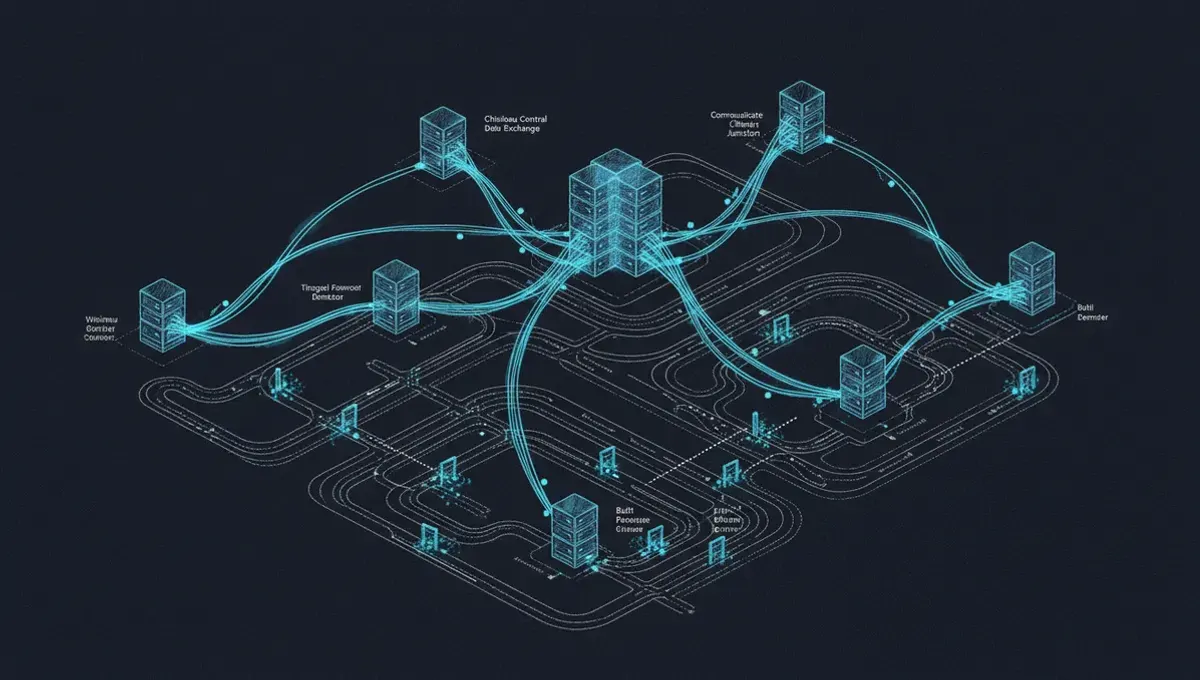
Darknet marketplaces and forums require several technical layers to function: Tor exit nodes and relays, hosting servers, payment processors, and communication channels. Moldova's role in this ecosystem is primarily infrastructural rather than consumer-facing. Servers hosted in Moldova may relay traffic for marketplaces physically located elsewhere, or may host the backend systems that process transactions and manage user accounts.
Cryptocurrency mixing and money-laundering services have been documented as operating from Moldova, converting darknet earnings into fiat currency or moving funds between wallets to obscure their origin. These services are often advertised on forums and marketplaces but are not themselves marketplaces. The technical barrier to entry is low: a server, a Tor hidden service configuration, and basic operational security can create a functional node. This is why smaller jurisdictions like Moldova can punch above their weight in the darknet ecosystem despite lacking the organized crime infrastructure of larger countries.
Law Enforcement and Regulatory Reality
Moldova's law-enforcement agencies have limited resources dedicated to cybercrime compared to EU or NATO members. However, international cooperation through Europol, Interpol, and bilateral agreements has increased. Several high-profile darknet operators and money launderers have been arrested in Moldova following investigations initiated by Western law-enforcement agencies.
The Moldovan government has signed cybercrime treaties and participates in joint task forces, but enforcement remains inconsistent. Corruption and bribery of officials have historically been obstacles to prosecuting cybercriminals operating from Moldovan territory. This creates a paradox: Moldova is simultaneously a target for law-enforcement action and a jurisdiction where operators can operate with reduced scrutiny compared to Western Europe. The status of any specific darknet operation changes rapidly; what is operational one month may be seized or relocated the next.
Reality Layer: How the Ecosystem Actually Functions
According to Tor Project documentation and security-vendor incident reports, darknet marketplaces typically fail within 2-3 years due to law enforcement action, operator exit scams, or technical compromise. This means that any specific marketplace or forum connected to Moldova is likely to have changed status since it was last publicly documented. Why this matters: users searching for current information about dark markets Moldova often find outdated references that no longer reflect reality.
Public law-enforcement press releases from Europol and the US Department of Justice show that darknet operators rarely stay in one jurisdiction; they migrate servers, change hosting providers, and use proxy infrastructure to obscure their location. A marketplace may be advertised as operating from Moldova but actually be hosted in multiple countries simultaneously. Court records from extradition cases show that Moldovan nationals have been prosecuted in Western countries for operating darknet markets, indicating that nationality and hosting location are not the same thing. Academic research on onion services confirms that geolocation of hidden services is extremely difficult and often inaccurate.
Risks and Misconceptions About Dark Markets
A common misconception is that dark markets are primarily for drugs. While narcotics sales are significant, darknet marketplaces also host stolen data, hacking tools, counterfeit documents, and services like money laundering and credential theft. Users who access these markets face multiple risks beyond legal consequences: scams by vendors or operators, malware infections, deanonymization through operational security failures, and law-enforcement infiltration.
Another misconception is that using Tor alone provides anonymity. Tor protects your traffic from your internet service provider and network observers, but it does not protect you from malware on your device, phishing attacks, or mistakes in how you use the network. Users who access darknet markets often combine Tor with other tools like VPNs or dedicated operating systems, but these add only marginal protection if the underlying operational security is weak. The reality is that most users who face legal consequences from darknet market activity were caught through traditional investigation methods: financial analysis, metadata, informants, or mistakes in how they handled cryptocurrency or communicated with others.
Verifying Information and Staying Safe
If you encounter claims about dark markets Moldova or any other jurisdiction, verify them through multiple sources before trusting them. Law-enforcement agencies publish press releases and indictments that document real operations; these are more reliable than forum posts or marketplace announcements. The Useful Resources page on this site lists official sources including Europol press releases, US Department of Justice announcements, and Tor Project documentation.
Phishing clones are a major risk in the darknet ecosystem. Scammers create fake versions of popular marketplaces or forums and advertise them on social media or forums, stealing credentials and cryptocurrency from users who believe they are accessing the real site. If you are researching darknet markets for security awareness or academic purposes, rely on archived documentation, court records, and security-vendor reports rather than attempting to access active sites. If you are concerned that your data may have been compromised in a darknet market breach, use the data-breach monitoring resources listed on this site to check whether your email address or credentials appear in leaked databases.
Frequently asked
Is there an active dark market operating from Moldova right now
The status of specific darknet markets changes constantly due to law-enforcement action, operator exit scams, and server migrations. No single marketplace is reliably documented as operating from Moldova at any given time. If you encounter claims about a specific market, verify them through recent law-enforcement press releases or security-vendor reports rather than marketplace announcements, which are often false advertising.
How do darknet markets in Moldova differ from those in other countries
Moldova's role in the darknet ecosystem is primarily infrastructural: hosting servers, money-laundering services, and relay nodes rather than consumer-facing marketplaces. This differs from countries like Russia or the Netherlands, which have historically hosted major consumer markets. Moldova's smaller law-enforcement capacity makes it attractive for backend operations, but this also makes it a target for international law-enforcement cooperation.
What happens if I access a dark market hosted in Moldova
Accessing a darknet market is illegal in most jurisdictions regardless of where it is hosted. You face legal consequences, malware infection, scams, and deanonymization through operational security failures or law-enforcement investigation. Using Tor does not provide complete anonymity; most users caught accessing darknet markets were identified through traditional investigation methods like financial analysis or metadata.
How can I verify whether a darknet site is real or a phishing clone
Phishing clones are extremely common in the darknet ecosystem. Verify any site through PGP-signed announcements from official sources, law-enforcement press releases, or archived documentation. Never trust marketplace announcements or social media posts. If you are researching darknet markets, use the Useful Resources page on this site to access verified sources instead of attempting to access active sites.
Why does Moldova appear in darknet market discussions
Moldova is mentioned in darknet contexts because of its position as a lower-cost hosting jurisdiction with legacy infrastructure and smaller law-enforcement presence compared to Western Europe. Several darknet operators and money launderers have been arrested in Moldova following international investigations. However, most major consumer marketplaces have operated from other jurisdictions.