What Are Dark Markets and How They Target Singapore
Dark markets are online marketplaces accessible only through anonymizing networks like Tor, where vendors and buyers conduct transactions largely outside traditional oversight. In the Singapore context, these markets serve multiple purposes: some facilitate illegal goods and services, others host stolen data and credentials from regional companies, and some operate as forums for cybercriminal coordination. Singapore's strict laws and high internet penetration make it an attractive target for data theft and fraud schemes. Attackers often compromise Singapore-based businesses to harvest customer databases, which then appear for sale on dark markets. The anonymity provided by Tor allows these operations to persist even as authorities work to identify and prosecute operators.
Regional Enforcement and Law-Enforcement Actions
Singapore's Cyber Security Agency and police have taken aggressive action against dark web activity, working with international partners including Europol and the FBI. Court records and law-enforcement press releases document arrests of individuals operating or using dark markets to distribute drugs, weapons and stolen data within Singapore and the region. The Monetary Authority of Singapore has also issued warnings about cryptocurrency-based money laundering on dark markets. Neighboring jurisdictions like dark markets in Albania, dark markets in Austria, and dark markets in Australia face similar challenges, creating a patchwork of enforcement efforts. What matters to ordinary users is that while law enforcement can and does identify dark market users through traffic analysis, blockchain forensics and undercover operations, the legal consequences vary significantly by jurisdiction and the specific activity involved.
How Dark Markets Operate Across Borders
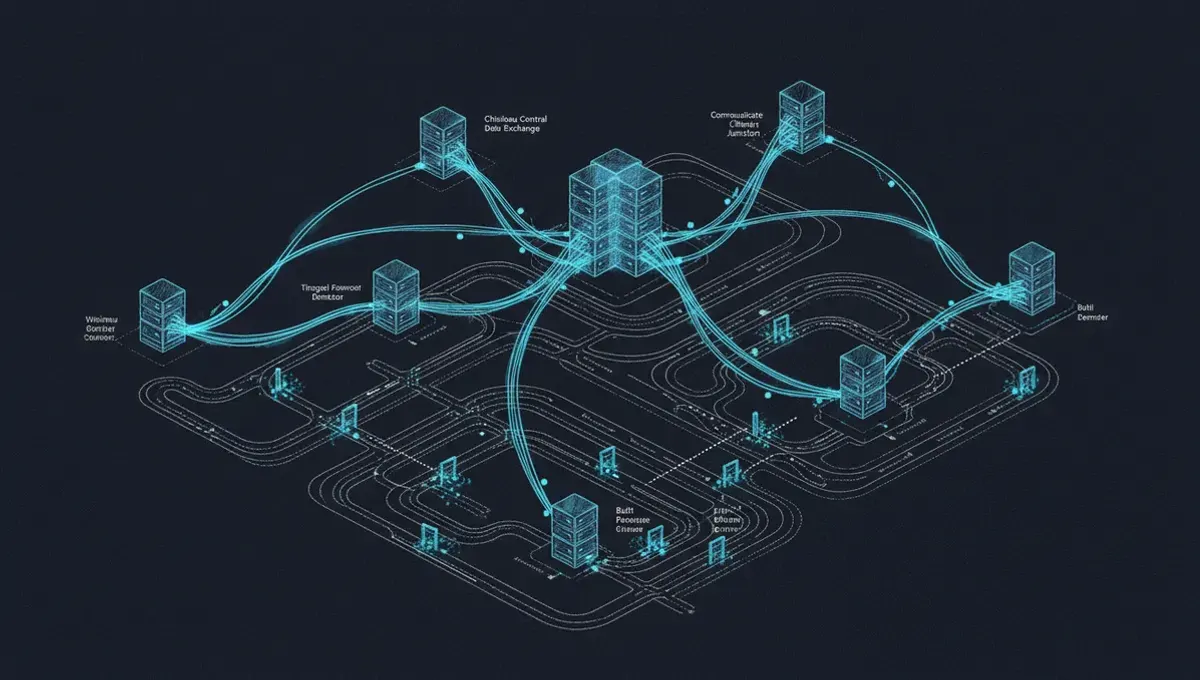
Most dark markets serving Singapore users are not hosted within Singapore itself. Instead, they operate from jurisdictions with weaker cybercrime enforcement or sympathetic hosting providers. A market might be administered from one country, hosted on servers in another, and accept payments in cryptocurrency routed through multiple exchanges. This distributed model makes takedowns difficult but not impossible. Law enforcement has successfully seized major dark markets by identifying and compromising the server infrastructure, often through cooperation with hosting providers or by exploiting operational security failures by market administrators. For Singapore users, this means that using a dark market does not guarantee protection simply because the market is hosted abroad; your own activity, payment methods and device security remain visible to investigators.
Data Breaches and Stolen Credentials on Dark Markets
Singapore companies regularly appear in dark market breach announcements. Stolen employee credentials, customer databases, and internal documents from financial services, e-commerce and healthcare firms are routinely offered for sale. Threat intelligence reports from security vendors document these listings, which typically include samples of the data to prove authenticity. Buyers on these markets range from other criminals seeking to resell the data to corporate spies and competitors. The presence of Singapore data on dark markets in Andorra, Argentina, Australia and other regions reflects the global nature of cybercrime supply chains. If you work for or use services from a Singapore-based company, monitoring whether your organization's data has been compromised is a practical step; many security firms offer breach notification services that track dark market activity.
Cryptocurrency and Money Laundering on Dark Markets
Dark markets in Singapore and across Southeast Asia rely heavily on cryptocurrency for transactions, particularly Bitcoin and Monero. Monero is preferred by many vendors because its transactions are private by default, whereas Bitcoin transactions are pseudonymous but traceable on the blockchain. Money laundering through dark markets typically involves converting fiat currency to cryptocurrency, moving it through mixers or privacy coins, and then converting back to fiat through exchanges. Singapore's financial regulators have tightened rules around cryptocurrency exchanges and wallet providers to prevent this flow. However, the decentralized nature of cryptocurrency means that determined actors can still move value across borders. Understanding this mechanism helps explain why dark markets persist despite enforcement: the financial infrastructure supporting them is distributed and difficult to shut down completely.
Risks to Individuals and Businesses
For individuals, the primary risks from dark markets are identity theft, financial fraud and extortion. If your personal data appears on a dark market, criminals can use it to open accounts, apply for credit or conduct targeted phishing attacks. For businesses, the risks include ransomware attacks coordinated on dark market forums, theft of intellectual property and customer data, and supply chain compromise. Singapore's regulatory environment means that companies face significant liability if they fail to protect customer data. A practical approach is to assume that some of your data has already been compromised and to monitor your financial accounts and credit reports regularly. Using strong, unique passwords and enabling multi-factor authentication on all accounts reduces the damage from credential theft.
Verification and Avoiding Phishing Clones
Dark market addresses change frequently due to law enforcement takedowns and operational security concerns. Phishing clones are fake copies of legitimate dark markets designed to steal credentials and cryptocurrency from users. If you encounter a dark market address online, verify it through official channels: PGP-signed announcements from the market operator, community forums with established reputation, or the Useful Resources page of this site. Never assume that a .onion address you find in a forum post or social media is legitimate. Scammers routinely create lookalike addresses that differ by a single character. The same principle applies to dark markets in Andorra, Argentina, Austria and other regions; verification is always necessary before trusting any address. If you are researching dark markets for security awareness or academic purposes, cross-reference multiple sources and prioritize official documentation over third-party mirrors.
What You Can Do Today
Start by checking whether your personal information has been compromised. Use a reputable breach notification service or visit the Useful Resources page of this site for tools that monitor dark market activity. If you discover that your data has been exposed, change passwords on all accounts immediately, enable multi-factor authentication, and consider placing a fraud alert with your credit bureau. For businesses, conduct a security audit to identify what sensitive data you hold and how it is protected. Educate your team about phishing and social engineering, since dark market operators often use stolen credentials as entry points for larger attacks. Finally, stay informed about regional cybercrime trends by following official advisories from Singapore's Cyber Security Agency and international partners; this awareness is your best defense against emerging threats.
Frequently asked
Are dark markets operating in Singapore right now
Dark markets themselves are not based in Singapore due to strict enforcement, but they actively target Singapore users and businesses. Markets hosted in other jurisdictions accept customers from Singapore and trade in stolen Singapore data. The status of specific markets changes constantly due to law enforcement action and exit scams; check official advisories and the Useful Resources page for current information.
What happens if I use a dark market in Singapore
Using a dark market is illegal in Singapore for most purposes, and law enforcement has successfully prosecuted users. Your activity can be traced through traffic analysis, cryptocurrency forensics and undercover operations. Even if the market is hosted abroad, Singapore authorities cooperate with international partners to identify and prosecute users.
How do I know if my data is on a dark market
Use breach notification services that monitor dark market activity, or check the Useful Resources page of this site for tools. If you find your data listed, change all passwords immediately, enable multi-factor authentication and place a fraud alert with your credit bureau. Do not attempt to contact the seller or negotiate; instead, report the breach to relevant authorities.
Why do dark markets target Singapore companies
Singapore is a global financial and tech hub with valuable data, high internet penetration and wealthy individuals. Stolen credentials and databases from Singapore companies command premium prices on dark markets because they can be used for fraud, espionage or resale to other criminals. The region's prosperity makes it an attractive target for cybercriminals worldwide.
What is the difference between dark markets in Singapore and other countries
Dark markets themselves operate globally and are not geographically bound. The difference lies in enforcement intensity and local laws. Singapore has stricter cybercrime laws and more active enforcement than some other jurisdictions, but this does not prevent markets from serving Singapore users or trading in Singapore data. Markets in Albania, Andorra, Argentina and Australia face different regulatory environments, but all are subject to international law enforcement cooperation.