What Wall Street Market Was
Wall Street Market darknet emerged as a significant trading platform for illicit goods, operating on the Tor network through .onion addresses. The marketplace functioned similarly to legitimate e-commerce sites, with vendor profiles, product listings, escrow systems, and user ratings. Unlike some competitors, it maintained a professional interface and attempted to enforce rules against certain categories of harm. The platform attracted users seeking to buy and sell items that ranged from drugs to forged documents, drawing both experienced darknet participants and newcomers looking for alternatives to established markets. Its name and branding deliberately mimicked legitimate financial institutions, a common tactic to build false credibility among users unfamiliar with the darknet.
How the Marketplace Operated
Wall Street Market darknet operated using a multi-signature escrow system, meaning neither buyer nor seller could access funds until both parties confirmed the transaction. Vendors paid listing fees and commission on sales, generating revenue for the marketplace administrators. The platform used cryptocurrency, primarily Bitcoin, for all transactions, though users often faced delays and confusion around wallet addresses. Moderators reviewed disputes between buyers and sellers, though their decisions were often criticized as biased or inconsistent. The marketplace also featured a forum section where users discussed products, shared wall street market darknet reviews, and warned each other about suspected scams. This community aspect created a false sense of legitimacy and trust, even though the entire operation existed to facilitate illegal trade.
Why Users Trusted It
Wall Street Market darknet gained reputation through consistent uptime and relatively transparent communication from administrators. Users posted wall street market darknet reddit discussions praising its interface compared to competitors and sharing wall street market darknet link addresses to recruit friends. The marketplace published regular updates about security improvements and new features, mimicking the communication style of legitimate tech companies. Vendor feedback systems created a veneer of accountability, allowing buyers to identify reliable sellers based on ratings and reviews. However, this trust was fragile and largely illusory. Administrators could disappear with user funds at any time, vendors could exit scam, and the entire operation was vulnerable to law enforcement infiltration. The sense of community masked fundamental structural weaknesses inherent to any marketplace built on criminal activity.
The Seizure and Investigation
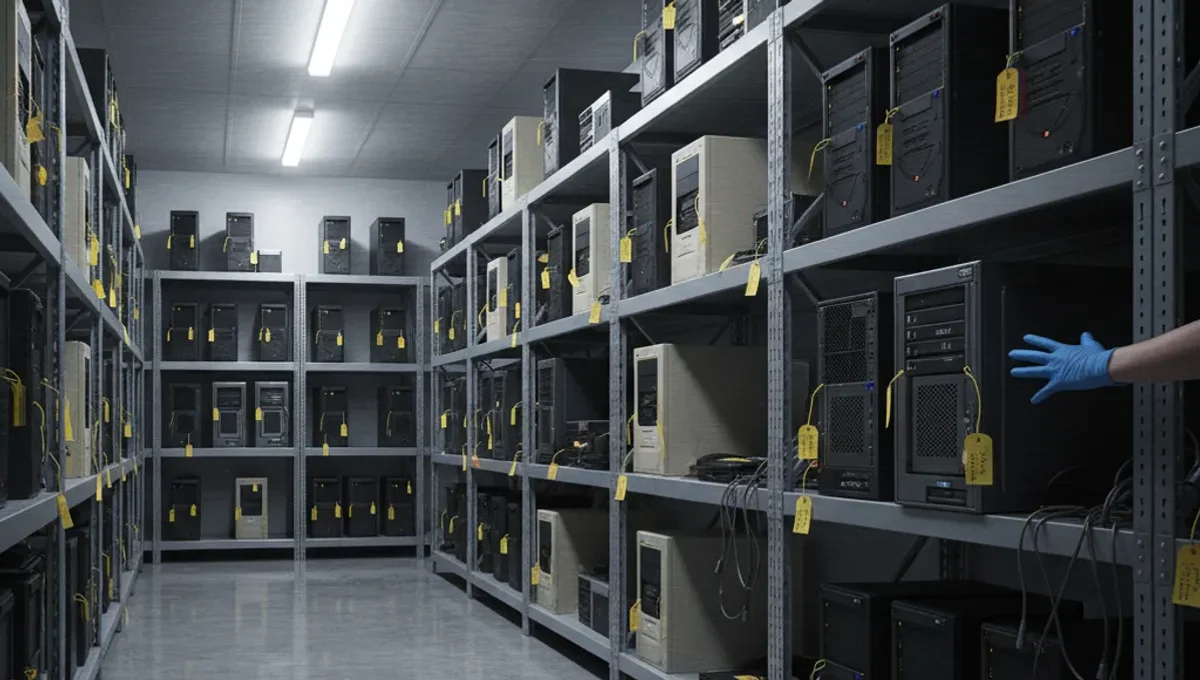
In June 2019, law enforcement agencies from multiple countries, including the U.S. Department of Justice and German authorities, coordinated a takedown of Wall Street Market darknet. Investigators had been monitoring the marketplace for months, identifying administrators and tracking cryptocurrency transactions. The operation resulted in the seizure of the marketplace's servers and the arrest of key operators. Court documents revealed that investigators used a combination of blockchain analysis, undercover purchases, and traditional detective work to build their case. The seizure demonstrated that even marketplaces using Tor and cryptocurrency could be traced and shut down. Federal prosecutors charged the administrators with money laundering, drug trafficking conspiracy, and operating an unlicensed money transmitting business. The case showed that law enforcement had developed sophisticated methods for penetrating darknet operations.
Reality Layer: How Darknet Marketplaces Actually Get Caught
According to Tor Project documentation and public law enforcement press releases, darknet marketplaces fail for three primary reasons: operational security mistakes by administrators, cryptocurrency transaction analysis, and infiltration by undercover agents. Administrators often reuse usernames, email addresses, or payment methods across platforms, creating linkable identities that investigators can follow. Blockchain analysis firms can trace Bitcoin transactions even when users believe they are anonymous, revealing patterns that connect wallets to real-world identities. Law enforcement agencies have embedded undercover agents in marketplace forums and as vendors, allowing them to gather evidence and identify key operators. The Wall Street Market case exemplified all three vulnerabilities: administrators made operational security errors, their Bitcoin movements were traced, and undercover agents purchased items to document the marketplace's operation. This matters to ordinary users because it shows that perceived anonymity on the darknet is incomplete and that law enforcement has adapted to these technologies faster than many marketplace operators anticipated.
Phishing Clones and Fake Wall Street Market Links
After the original Wall Street Market darknet was seized, scammers created fake mirrors and phishing sites claiming to be the marketplace or its successor. These clones used similar names and interfaces to trick users into depositing cryptocurrency or entering credentials. The wall street market darknet link addresses circulated on forums and social media were often phishing attempts designed to steal funds or harvest personal information. Users who had accounts on the original marketplace were particularly vulnerable because they expected the site to return. Distinguishing a legitimate .onion address from a phishing clone requires verifying addresses through PGP-signed announcements from official sources, a step most casual users skip. The proliferation of fake sites after the seizure demonstrated how marketplace names retain value in the darknet ecosystem even after the original operation is destroyed. Scammers exploit user familiarity and the difficulty of verifying authenticity on Tor.
What Happened to Users and Vendors
When Wall Street Market darknet was seized, users and vendors with cryptocurrency held in marketplace escrow lost access to their funds. Some users had pending transactions frozen mid-process, leaving them unable to recover their money or receive purchased items. Vendors who had not withdrawn their earnings faced total loss. Law enforcement agencies retained seized cryptocurrency as evidence, and some funds were eventually liquidated or returned through civil asset forfeiture processes. Users who had conducted transactions on the marketplace faced potential legal exposure if they had purchased controlled substances or other illegal items. The seizure created a sudden vacuum in the marketplace ecosystem, with some users migrating to competing platforms and others abandoning darknet trading entirely. The experience illustrated a fundamental risk of darknet commerce: there is no legal recourse if a marketplace disappears, whether through law enforcement action or voluntary exit scam.
Lessons for Understanding Darknet Risks
The Wall Street Market case demonstrates that darknet marketplaces are not stable platforms despite their professional appearance. Users who believe they are anonymous on Tor often underestimate how much information they reveal through transaction patterns, username reuse, and communication metadata. The marketplace's closure showed that law enforcement agencies have developed effective tools for investigating darknet operations, making the risk of arrest real for both operators and frequent users. For security researchers and journalists, the case provides a documented example of how cryptocurrency transactions can be analyzed and how marketplace infrastructure can be compromised. For ordinary users considering darknet participation, the lesson is direct: the perceived anonymity is incomplete, the legal risks are genuine, and the financial risks are absolute. Marketplaces can disappear without warning, taking user funds with them. Understanding these realities is essential for making informed decisions about online privacy and security.
Frequently asked
Is Wall Street Market still online
No. Wall Street Market was seized by law enforcement in June 2019. The original marketplace is no longer accessible. Any site claiming to be Wall Street Market or its successor is likely a phishing clone or scam designed to steal cryptocurrency or personal information. Verify any marketplace address through official PGP-signed announcements before using it.
What happened to money in Wall Street Market escrow
When the marketplace was seized, cryptocurrency held in escrow became inaccessible to users and vendors. Law enforcement retained the funds as evidence. Some cryptocurrency was eventually liquidated or distributed through civil asset forfeiture processes. Users had no legal recourse to recover their funds because the marketplace operated illegally.
How did law enforcement find Wall Street Market
Investigators used blockchain analysis to trace Bitcoin transactions, deployed undercover agents to purchase items and gather evidence, and identified operational security mistakes made by administrators. The combination of cryptocurrency tracking and traditional detective work allowed federal and international agencies to locate and shut down the marketplace.
What is a Wall Street Market phishing clone
After the original marketplace was seized, scammers created fake .onion sites using similar names and interfaces to trick users into depositing cryptocurrency or entering login credentials. These clones exploit user familiarity with the original marketplace name. Always verify .onion addresses through official sources before accessing any marketplace.
Why did Wall Street Market fail as a marketplace
The marketplace failed because administrators made operational security mistakes, their cryptocurrency transactions were traced by investigators, and law enforcement embedded undercover agents to gather evidence. These vulnerabilities are common to all darknet marketplaces, regardless of how professional their interface appears. No amount of anonymity technology can fully protect illegal operations from determined law enforcement.