What Was Wall Street Market
Wall Street Market was a darknet marketplace that operated on the Tor network, accessible only through onion links. It launched around 2016 and grew to become one of the most trafficked darknet markets, competing directly with platforms like Dream Market and other established vendors. The marketplace facilitated the sale of illicit goods, including drugs, stolen data, and counterfeit items, using cryptocurrency for transactions. Users accessed it via .onion addresses and conducted business using pseudonymous accounts, much like any centralized e-commerce platform but without legal oversight or buyer protections.
How Wall Street Market Operated
The marketplace functioned as a centralized hub where vendors created accounts, listed products, and managed inventory. Buyers browsed listings, placed orders, and left reviews and ratings, creating a reputation system similar to eBay. Transactions used escrow: buyers sent cryptocurrency to the marketplace, which held funds until the vendor confirmed shipment, then released payment. The platform charged vendor fees and took a percentage of each transaction. Wall Street Market darknet link addresses were shared on forums and Reddit communities, and users often discussed the marketplace's uptime, vendor reliability, and security features. The operators maintained multiple mirror sites to ensure availability if the primary onion address was blocked.
Security and Trust Mechanisms
Wall Street Market employed multi-signature cryptocurrency wallets to reduce the risk of operator theft, a feature that distinguished it from earlier markets like Silk Road. Vendors could verify their identity through PGP signatures, and the marketplace displayed vendor ratings based on transaction history and buyer feedback. Two-factor authentication was available to users. However, these mechanisms were only as strong as the operators' commitment to maintaining them. The marketplace also suffered from the same vulnerabilities as other centralized platforms: if the operators decided to exit scam, they could drain escrow wallets; if law enforcement seized the servers, all user data and transaction records became evidence.
The Seizure and Shutdown
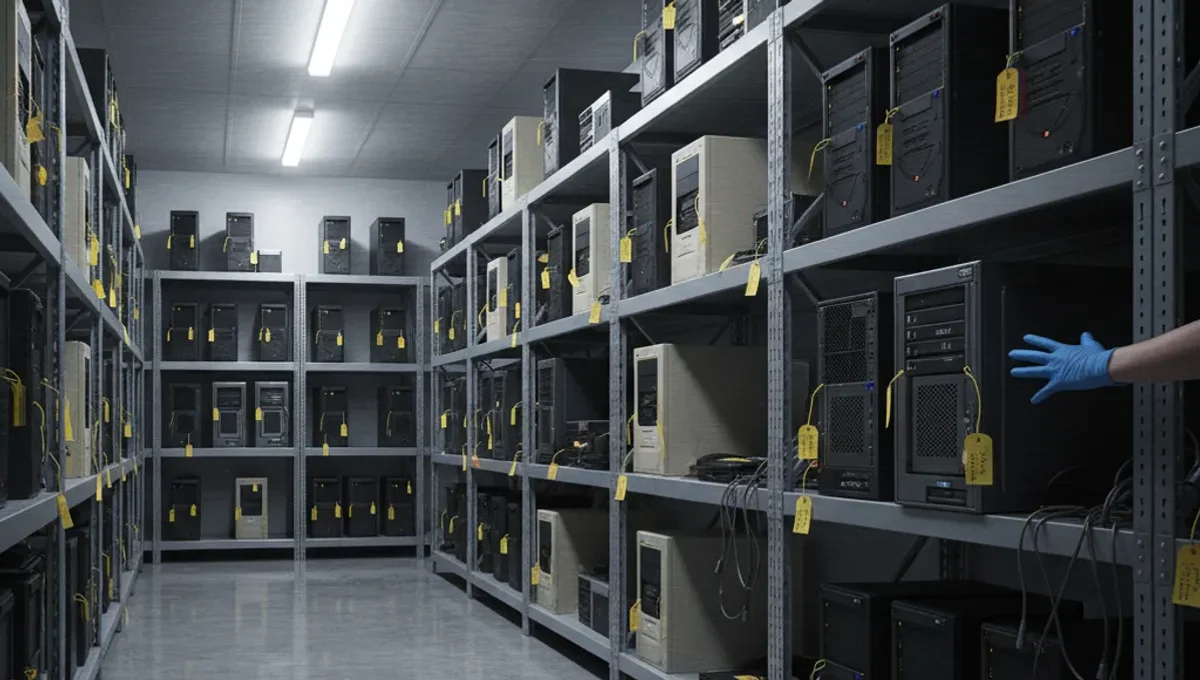
In April 2020, the Wall Street Market darknet was seized by law enforcement agencies, including the U.S. Department of Justice and German authorities. The seizure followed a lengthy investigation into the marketplace's operations and the criminal activity facilitated through it. Investigators took control of the servers, arrested the marketplace's alleged administrators, and seized cryptocurrency holdings. Users who had funds in escrow or stored on the platform lost access to their accounts and any balance held there. The seizure demonstrated that even large, well-organized darknet markets could be identified, infiltrated, and shut down through coordinated international law enforcement action.
Reality Layer: What Happened and Why It Matters
According to public law enforcement press releases and court records, the Wall Street Market seizure showed that darknet marketplaces leave digital traces that investigators can follow. The marketplace's centralized infrastructure, while convenient for users, created a single point of failure: one server location, one set of administrators, one cryptocurrency wallet. This matters because it illustrates why decentralized alternatives and peer-to-peer models have emerged since. Security researchers and law-enforcement agencies have documented that marketplace operators face constant pressure from both competing criminals and investigators, making exit scams and sudden shutdowns common outcomes. The Tor Project documentation emphasizes that using Tor does not make illegal activity invisible to determined law enforcement with sufficient resources and international cooperation.
Phishing Clones and Impersonation
After Wall Street Market darknet was seized, scammers created fake mirror sites claiming to be the real marketplace or claiming to offer recovery of lost funds. These phishing clones used similar names, copied the original interface, and directed users to malicious addresses. Reddit communities and darknet forums became vectors for spreading these fake links. Users searching for 'wall street market darknet link' or 'wall street darknet market' on search engines or forums often encountered these fraudulent sites. This pattern repeats across all seized marketplaces: criminals exploit the trust and nostalgia associated with a well-known platform to steal credentials, cryptocurrency, or personal information from users seeking to regain access.
Lessons for Darknet Users and Security Awareness
The Wall Street Market case illustrates several critical security principles. First, centralized marketplaces are inherently vulnerable to law enforcement action and operator exit scams. Second, verifying onion addresses through PGP-signed announcements from official sources is essential; phishing clones are common and convincing. Third, holding funds in a marketplace escrow or wallet means trusting the operators with your money indefinitely. Fourth, transaction records on seized servers become evidence used in prosecutions. Users who engaged in illegal activity through the marketplace faced potential legal consequences even after the shutdown. For those interested in understanding darknet security, the Wall Street Market seizure is a case study in how operational security failures, centralized architecture, and law enforcement coordination combine to take down even large platforms.
Verifying Information and Staying Safe
If you encounter references to Wall Street Market or similar darknet marketplaces, verify any claims through official sources rather than Reddit threads or forum posts. The Tor Project website and security research publications provide factual information about marketplace histories and seizures. Never click on onion links shared in casual conversations; instead, visit the Useful Resources page of this site to find verified, PGP-signed announcements. If you are researching darknet markets for academic, journalistic, or security purposes, rely on law-enforcement press releases, court documents, and peer-reviewed security research. Avoid any site claiming to offer recovery of lost funds or promising access to seized marketplaces. The single most important step you can take today is to bookmark a trusted source for darknet news and security updates, rather than relying on social media or random forum posts.
Frequently asked
Is Wall Street Market still online
No. Wall Street Market was seized by law enforcement in April 2020 and is no longer operational. Any site claiming to be the real Wall Street Market is a phishing clone or scam. The marketplace's servers were taken offline and its operators were arrested.
What happened to my funds on Wall Street Market
If you had funds in escrow or stored on the marketplace when it was seized, those funds were frozen as part of the law enforcement action. Recovery of seized cryptocurrency is rare and typically only occurs through formal legal proceedings. Do not trust sites claiming to help you recover lost funds; these are almost always scams.
How did law enforcement find Wall Street Market
Law enforcement agencies used a combination of investigative techniques, including server logs, cryptocurrency transaction analysis, and informant information. The marketplace's centralized infrastructure and the digital traces left by its operators made it traceable. International cooperation between U.S. and German authorities was key to the successful seizure.
Are there Wall Street Market mirrors or clones still active
No legitimate mirrors exist. Any site using the Wall Street Market name or claiming to be a successor is either a phishing scam or an unrelated marketplace using the name for credibility. Verify any darknet marketplace through PGP-signed announcements from official sources only.
What should I do if I see a Wall Street Market link on Reddit
Do not click it. Links shared on Reddit and forums are frequently phishing clones designed to steal credentials or cryptocurrency. If you are researching the marketplace for legitimate purposes, consult law-enforcement press releases and security research publications instead.