What Dark Web Access Sites Actually Are
Dark web access sites are not marketplaces or forums themselves. They are directories, mirrors, and download repositories that host the Tor browser, provide mirrors of Tor documentation, or list known onion addresses. The most authoritative is the official Tor Project website, which distributes the Tor browser and publishes security advisories. Beyond that, you encounter mirror sites (copies of the main site hosted on different servers), archived documentation, and community-maintained link directories. Many of these sites exist because the official Tor Project domain is sometimes blocked by ISPs or governments, so mirrors ensure users can still download the software. Understanding this distinction matters because a fake access site can distribute malware instead of legitimate Tor software, putting your device at risk before you even reach the dark web.
The Tor Browser as Your Primary Access Tool
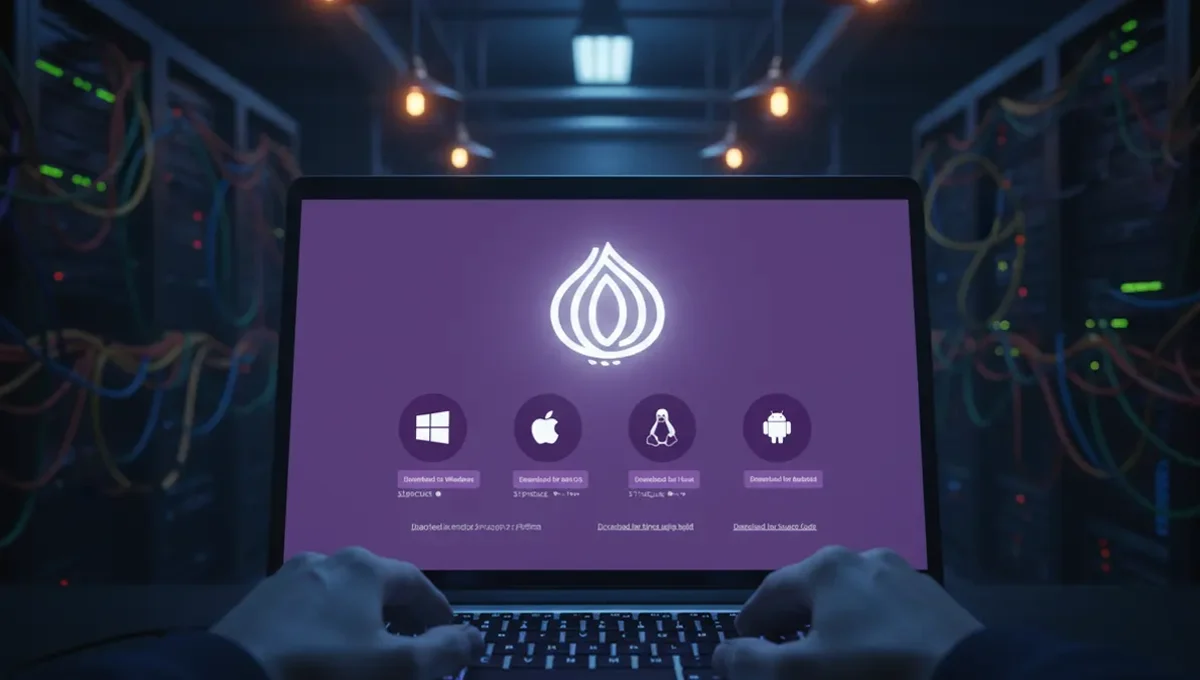
The Tor browser is the standard dark web access app used by journalists, researchers, activists and ordinary users seeking privacy. It is built on Firefox and includes the Tor network client, which automatically routes your connection through a series of volunteer-run relays. When you download the Tor browser from the official Tor Project site or a trusted mirror, you get a bundle that includes everything needed to connect. The browser isolates each tab's browsing data and blocks plugins that could leak your real IP address. One critical step is verifying the signature of the downloaded file using the PGP key published on the Tor Project website. This prevents you from running a trojanized version. After installation, the browser connects to the Tor network automatically; you do not need to configure proxies manually. Many users skip signature verification because it seems technical, but this is how malware distributors have compromised users in the past.
Finding Legitimate Dark Web Access Browser Downloads
The safest way to obtain a dark web access browser is to go directly to the official Tor Project domain. If that domain is blocked in your region, the Tor Project publishes a list of official mirrors on its website. These mirrors are maintained by the Tor Project or trusted partners and are cryptographically signed. Before downloading, check that the site's SSL certificate is valid and matches the official domain. Avoid downloading from random GitHub repositories, forum posts, or third-party sites unless they explicitly state they mirror the official release and provide signature verification instructions. Some users turn to VPN services that advertise dark web access, but this adds an unnecessary layer and may log your activity. The most direct path is still the official source. If you cannot access the main Tor Project site, use the mirror list or contact the Tor Project through their social media channels to confirm the current official mirrors.
How Dark Web Access Links and Mirrors Work
Dark web access links are URLs that point to the Tor browser download, documentation, or mirrors of the Tor Project website. These links are typically HTTPS URLs on the regular web, not onion addresses. When you click a dark web access link, you are downloading or viewing content from the clearnet (regular internet), not the dark web itself. Mirrors exist because governments and ISPs sometimes block the main Tor Project domain. A mirror is an exact copy of the site hosted on a different server, often in a different country. The Tor Project publishes official mirror addresses on its main site and on social media. If you find a dark web access link on a forum or in a blog post, verify it by checking the official Tor Project channels before trusting it. Phishing clones of the Tor Project website have circulated; they look identical but direct you to download malware. Always confirm the SSL certificate and domain name before downloading anything.
Reality Check: How Access Sites Fail and Users Get Hurt
According to Tor Project documentation, the most common failure point is users downloading Tor from untrusted sources and receiving malware instead of the legitimate browser. Security vendor incident reports have documented campaigns where fake Tor download sites were advertised on search engines and forums, leading users to install keyloggers or spyware. Court records from law-enforcement actions against dark web marketplaces show that many users believed they were anonymous when they were not, often because they misconfigured their browser or used outdated versions with known vulnerabilities. Academic research on onion services highlights that users frequently confuse the dark web with complete anonymity; in reality, Tor protects your IP address but does not protect you from malware, phishing, or your own mistakes. Why this matters: a single misconfiguration or one download from the wrong site can undo all the privacy benefits of Tor. The barrier to entry is low, but the cost of error is high.
Verification Steps Before You Connect
Before using any dark web access app or browser, follow these steps to confirm you have the legitimate software:
- Visit the official Tor Project website (torproject.org) or check their Twitter account for current mirror addresses.
- Download the Tor browser directly from the official site or an official mirror listed there.
- On the download page, locate the PGP signature file and the Tor Project's public key.
- Import the Tor Project's PGP key into your GPG keyring using the fingerprint published on their site.
- Verify the signature of the downloaded Tor browser file using GPG.
- If the signature is valid, proceed with installation. If it fails, delete the file and try again from a different mirror.
- After installation, open the Tor browser and let it connect to the Tor network automatically.
- Once connected, visit the Tor Project's check page (check.torproject.org) to confirm your IP is masked.
This process takes 10-15 minutes the first time. Skipping verification is common, but it is the difference between secure access and a compromised device.
Common Mistakes When Accessing the Dark Web
Users often make preventable errors that undermine their security. Running Tor inside a virtual machine without proper isolation, then browsing the regular web on the same machine, can leak your identity through shared cookies or DNS requests. Maximizing the browser window to full screen reveals your screen resolution, which can be used to fingerprint you among other Tor users. Downloading files from onion sites and opening them immediately without scanning them first is a common vector for malware. Using the same username or email address on dark web forums that you use elsewhere defeats anonymity. Assuming that Tor alone protects you from law enforcement is a mistake; if you engage in illegal activity, your actions can still be traced through metadata, transaction analysis, or informants. Updating your Tor browser only when prompted, rather than regularly, leaves you vulnerable to known exploits. The most dangerous mistake is treating the dark web as a lawless space where normal consequences do not apply. Tor is a tool for privacy, not immunity.
Next Steps: Secure Access Without Illusions
The core reality is this: dark web access sites and tools are legitimate and widely used by people who need privacy. But access is not the same as safety, and privacy is not the same as anonymity or legality. Your first step is to download the Tor browser from the official Tor Project source, verify its signature, and test your connection. Understand that Tor protects your IP address and encrypts your traffic, but it does not make you invisible to law enforcement, malware, or your own mistakes. If you are accessing the dark web for research, journalism, activism or personal privacy, you are in good company. If you are considering it for illegal activity, understand that law enforcement has successfully prosecuted thousands of dark web users. The tool is neutral; your choices determine the outcome. Start by visiting the Tor Project website today and reading their security guide. That single step will put you ahead of most users who download Tor without understanding what it does or does not do.
Frequently asked
What is the safest dark web access site to download from
The safest source is the official Tor Project website (torproject.org). If that domain is blocked, the Tor Project publishes a list of official mirrors on their social media channels and documentation. Always verify the SSL certificate and check the PGP signature of any downloaded file before running it. Avoid downloading from random third-party sites or forums.
Do I need a VPN to use dark web access apps
No, the Tor browser alone is sufficient for accessing the dark web. Using a VPN before Tor adds complexity and may log your activity, defeating the purpose. If your ISP blocks Tor, you can use Tor bridges instead, which are built into the Tor browser settings. The Tor Project recommends using Tor directly rather than layering it with other tools.
Can dark web access sites give me malware
Yes, if you download from fake or compromised sites. Malicious actors have created phishing clones of the Tor Project website to distribute malware. Always verify the domain name, SSL certificate, and PGP signature before downloading. Stick to official sources and official mirrors listed on the Tor Project's own channels.
How do I know if my dark web access browser is real
Verify the PGP signature of the downloaded file using the Tor Project's public key. Import their key, verify the signature, and if it passes, the file is authentic. You can also check the file hash against the official Tor Project download page. After installation, visit check.torproject.org to confirm your connection is routed through Tor.
What happens if I download Tor from the wrong site
You may receive malware instead of the legitimate Tor browser. This could result in keylogging, data theft, or a compromised device. This is why signature verification is critical. If you suspect you downloaded a malicious file, do not run it. Delete it, scan your device with antivirus software, and download again from an official source.