What Hydra Market Was
Hydra Market operated as a Russian-language darknet marketplace accessible only through the Tor browser via its .onion address. It functioned as a platform where vendors could list illegal goods, primarily drugs, and buyers could purchase them using cryptocurrency, typically Bitcoin and Monero. The marketplace used an escrow system to hold funds until transactions completed, reducing the risk of direct theft between buyer and vendor. Hydra's interface was relatively simple compared to some Western darknet markets; it prioritized functionality over aesthetics. The platform charged vendor fees and took a percentage of each transaction, generating substantial revenue for its operators. Unlike Alphabay Market, which served a global audience, Hydra deliberately restricted its user base to Russian speakers and residents of former Soviet republics, which gave it a regional monopoly and reduced competition from international marketplaces.
How Hydra Operated and Grew
Hydra Market launched around 2015, initially as a smaller marketplace but grew rapidly as competing Russian darknet platforms were seized or shut down. By the early 2020s, it had become the dominant marketplace in the Russian-speaking dark web, with thousands of active vendors and a user base numbering in the hundreds of thousands. The marketplace offered a vendor-friendly environment with low fees, reliable escrow services, and a reputation system that encouraged repeat business. Vendors could specialize in specific product categories, and the platform's search and filtering tools made it easy for buyers to find what they wanted. Hydra also integrated with Russian payment systems and local money-laundering services, allowing users to convert cryptocurrency back into rubles or other fiat currencies. This integration with the broader Russian criminal economy made Hydra far more than just a marketplace; it was a critical financial hub for organized crime in Eastern Europe and Central Asia.
Scale and Transaction Volume
By the time of its seizure, Hydra Market had processed an estimated 9.4 billion US dollars in transactions over its operational lifetime, according to data cited in law-enforcement announcements. In its final year alone, the marketplace was believed to have facilitated roughly 2 billion dollars in transactions. This scale made Hydra larger by transaction volume than any other single darknet marketplace, including Alphabay at its peak. The marketplace's dominance was partly due to its regional focus; it faced minimal competition within the Russian-speaking internet and had built deep trust with its user base over years of reliable operation. Vendors on Hydra ranged from small-scale operators to large organized crime groups, and the platform's infrastructure was sophisticated enough to handle millions of daily transactions without major outages. This combination of scale, reliability, and integration with local criminal networks made Hydra an exceptionally difficult target for law enforcement to dismantle.
The Seizure and International Coordination
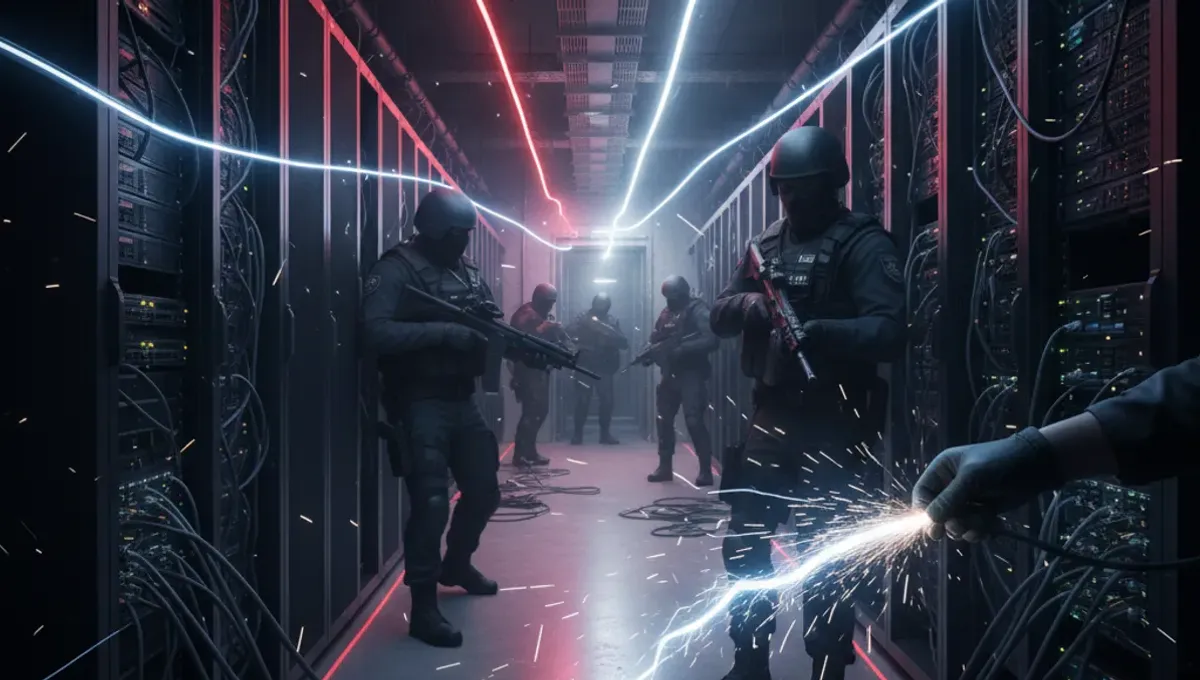
On April 5, 2022, law-enforcement agencies from the United States, Germany, and other countries coordinated a takedown of Hydra Market. The US Department of Justice and the Drug Enforcement Administration led the operation, with support from German federal police and other international partners. Authorities seized Hydra's servers and arrested the marketplace's alleged administrator, a Russian national known online as 'Dmitry Pavlov'. The operation also resulted in the seizure of approximately 25 million dollars in cryptocurrency and the disruption of the marketplace's operations. Unlike some previous market seizures, where a marketplace might be replaced by a clone or successor within weeks, Hydra's takedown was followed by a coordinated effort to prevent its resurrection. Law enforcement also targeted the marketplace's money-laundering infrastructure, disrupting the conversion of cryptocurrency back into fiat currency. This multi-pronged approach demonstrated a shift in law-enforcement strategy from simply taking down marketplaces to dismantling the financial and operational networks that sustained them.
Why Hydra Mattered and What It Revealed
Hydra Market's existence and scale exposed the reality that darknet marketplaces are not marginal criminal enterprises but major financial hubs integrated into broader organized crime networks. The marketplace's focus on the Russian-speaking world showed that the dark web is not a single global black market but a collection of regional ecosystems, each with its own vendors, users, and law-enforcement challenges. Hydra's integration with Russian money-laundering services and its role in converting cryptocurrency into fiat currency revealed how darknet markets depend on real-world criminal infrastructure to be profitable. The marketplace also demonstrated that even large, well-established platforms can be taken down if law enforcement coordinates internationally and targets both the technical infrastructure and the financial networks that sustain it. For ordinary users, Hydra's seizure was a reminder that no darknet marketplace is permanent or truly secure; vendors and buyers who relied on Hydra lost access to their accounts, their funds in escrow, and their transaction history overnight.
Reality Check: Seizures, Clones, and Persistence
According to Tor Project documentation and public law-enforcement press releases, darknet marketplaces are frequently seized but rarely permanently eliminated. After Hydra's takedown, several clone sites and successor platforms emerged claiming to be the 'new Hydra' or offering to restore user accounts and funds. These clones are typically phishing operations designed to steal login credentials or cryptocurrency from users who believe they are accessing the legitimate marketplace. The lesson here is critical: a marketplace's seizure does not mean its ecosystem disappears; instead, it fragments into competing clones, scams, and successor platforms. Court records from previous marketplace prosecutions show that even after a platform is taken offline, vendors and buyers often migrate to alternative marketplaces or establish private channels. For security-conscious users, this means that trusting any marketplace claiming to be a successor to a seized platform is extremely risky. The Hydra takedown also revealed that law enforcement is increasingly willing to pursue marketplace operators across borders and coordinate with international partners, making the role of a marketplace administrator significantly more dangerous than it was a decade ago.
Lessons for Dark Web Users and Security
The Hydra Market seizure offers several practical lessons for anyone using or researching the dark web. First, no marketplace is permanent or guaranteed to remain operational; users who store large amounts of cryptocurrency on any platform are taking a significant risk. Second, the existence of a marketplace does not mean it is safe or that your data will be protected; law enforcement can and does infiltrate, monitor, and eventually seize major platforms. Third, clone sites and successor platforms claiming to restore access to seized marketplaces are almost always scams designed to steal credentials or funds. If you are researching darknet markets for security awareness or academic purposes, verify all information through official sources such as law-enforcement press releases and court documents rather than relying on marketplace announcements or third-party forums. The Hydra takedown also demonstrates that law enforcement's capability to dismantle large-scale darknet operations is improving; this has implications for anyone considering participation in illegal marketplaces. Understanding Hydra's history and seizure is valuable not as a guide to finding alternatives but as a case study in how darknet infrastructure is built, exploited, and ultimately dismantled by coordinated international action.
Frequently asked
What was Hydra Market and when was it seized
Hydra Market was a Russian-language darknet marketplace that operated on Tor and became the largest dark web platform by transaction volume before its seizure on April 5, 2022. Law enforcement from the US, Germany, and other countries coordinated the takedown, arresting the alleged administrator and seizing approximately 25 million dollars in cryptocurrency.
How much money did Hydra Market process
Hydra Market processed an estimated 9.4 billion US dollars in transactions over its operational lifetime, with approximately 2 billion dollars in transactions in its final year alone. This made it larger by transaction volume than other major darknet marketplaces including Alphabay.
Are there clones or successors to Hydra Market
Several clone sites claiming to be the 'new Hydra' or offering to restore user accounts have emerged since the seizure. These clones are typically phishing scams designed to steal login credentials or cryptocurrency. Any site claiming to be a successor to a seized marketplace should be treated as a potential scam.
Why was Hydra Market different from other darknet markets
Hydra focused exclusively on Russian-speaking users and the post-Soviet market, giving it a regional monopoly unlike global marketplaces such as Alphabay. It was also deeply integrated with Russian money-laundering services and organized crime networks, making it a financial hub rather than just a marketplace.
What does the Hydra seizure mean for darknet security
The Hydra takedown demonstrates that law enforcement can coordinate internationally to dismantle major darknet infrastructure and that no marketplace is permanent. It also shows that users who store funds on any platform face the risk of sudden seizure, and that clone sites claiming to restore access are almost always scams.