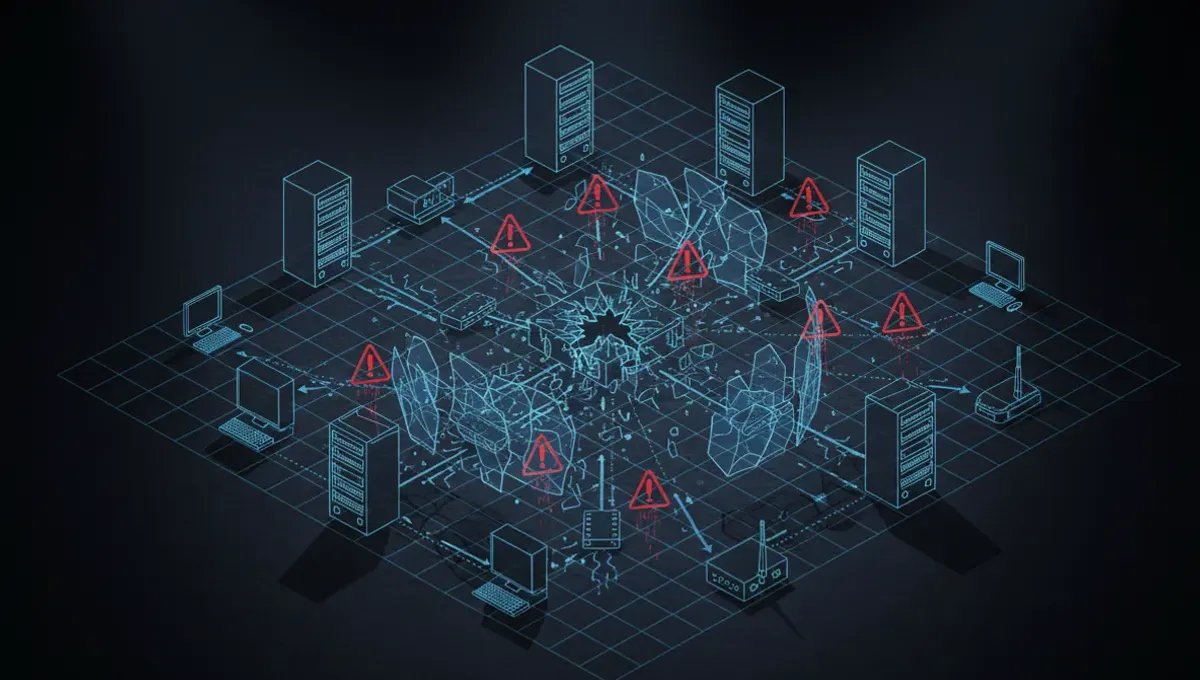
What Was Hydra Market
Hydra was a Russian-language darknet marketplace that functioned as a hub for illegal goods and services, primarily serving users in Russia and Eastern Europe. It operated on the Tor network and used cryptocurrency for transactions, with a reputation system designed to reduce fraud between buyers and sellers. The marketplace was known for its focus on drug trafficking, stolen data, and forged documents. Unlike some English-language markets, Hydra maintained strict operational security and avoided the public attention that drew law enforcement to other platforms. It served as a model for how a darknet market could operate with relative stability by maintaining a narrow geographic and linguistic focus.
The 2022 Seizure and Current Status
In April 2022, U.S. law enforcement and international partners executed a coordinated operation that resulted in the seizure of Hydra's infrastructure and the arrest of its alleged operator. The U.S. Department of Justice announced that Hydra had facilitated over 17 million transactions and generated billions in revenue. Following the seizure, the marketplace went offline permanently. However, the Hydra brand name has since been used by scammers and opportunists who create fake mirrors and phishing sites claiming to be the real marketplace. Any Hydra market link you encounter today is either a law-enforcement honeypot, a phishing clone designed to steal credentials and cryptocurrency, or an abandoned domain. The marketplace itself does not operate.
How Hydra Operated and Built Trust
Hydra used a multi-signature escrow system where cryptocurrency was held by the marketplace until both buyer and seller confirmed the transaction. Vendors paid fees to list products and maintain shop fronts, creating a revenue model that incentivized the platform to police fraud. The marketplace employed a feedback and rating system similar to legitimate e-commerce sites, allowing users to review vendors and build reputation over time. Hydra also operated a forum section where users could discuss operations, report scams, and coordinate. This structure reduced some friction compared to peer-to-peer darknet transactions, but it also created a single point of failure: when law enforcement seized the central servers, the entire ecosystem collapsed instantly. No decentralized backup or mirror network existed to resurrect it.
Why Phishing Clones and Fake Mirrors Persist
Scammers continue to register domains and create Tor sites using the Hydra name because the brand still carries recognition among Russian-speaking users and researchers. A fake Hydra market link typically mimics the original site's design and promises to restore access to seized funds or offer a new version of the marketplace. These clones harvest login credentials, cryptocurrency wallet information, and personal data from users who believe they are accessing the real platform. Some phishing sites use lookalike .onion addresses that differ by only one or two characters from the original, exploiting typos and memory errors. Law enforcement has documented that victims of these clones often lose cryptocurrency and have their personal information sold on other darknet forums.
Reality Check: How the Ecosystem Actually Behaves
According to Tor Project documentation and public law-enforcement press releases, darknet marketplaces that are seized do not return in their original form because their operators are arrested and their infrastructure is confiscated. This matters because it means any promise to restore a seized marketplace is a lie. Security-vendor incident reports consistently show that phishing clones of defunct markets are among the most effective scams on the darknet, because they exploit both nostalgia and the assumption that users have legitimate reasons to access old accounts. Academic research on onion services confirms that users often struggle to verify whether a .onion address is authentic, making them vulnerable to domain-spoofing attacks. The lesson: if a marketplace was seized, no legitimate way exists to access it or recover funds through a new link.
How to Verify Onion Addresses and Avoid Phishing
If you encounter any claim about a Hydra market link or any other darknet marketplace, follow these steps to verify its legitimacy before entering credentials or sending cryptocurrency:
- Check the official Tor Project directory and the site's own PGP-signed announcements for any legitimate address.
- Compare the .onion address character-by-character with any official source; do not rely on memory or partial matches.
- Verify the site's SSL certificate and PGP signature if one is provided; mismatches indicate a phishing clone.
- Never enter a username, password, or wallet seed phrase on any marketplace link you have not verified through multiple independent sources.
- Use a dedicated virtual machine or Tails OS when accessing any darknet marketplace, even if you believe it is legitimate.
For Hydra specifically, no legitimate link exists because the marketplace was seized and does not operate. Any Hydra market URL you find is a scam.
Why This Matters for Your Security
Understanding the history of Hydra and why it no longer operates protects you from a specific category of scam that exploits nostalgia and the difficulty of verifying onion addresses. Scammers rely on the fact that many people do not follow law-enforcement news and assume that a marketplace with a familiar name is still functional. By recognizing that Hydra was seized and that no legitimate successor exists, you avoid losing cryptocurrency or exposing personal information to criminals. The same logic applies to other defunct markets like AlphaBay, which was also seized but continues to be impersonated by phishing sites. Your security depends on understanding that a marketplace's reputation in the past does not guarantee its legitimacy today, and that law enforcement actions are permanent.
Next Steps: Staying Safe on the Darknet
If you are researching darknet markets for security awareness or academic purposes, rely on archived documentation, law-enforcement press releases, and security-vendor reports rather than attempting to access any live marketplace. If you have lost cryptocurrency or personal information to a phishing clone, report it to your local law-enforcement agency and to the FBI's Internet Crime Complaint Center. Do not attempt to recover funds by accessing other darknet sites or sending additional cryptocurrency to recovery scammers. The most practical step you can take today is to bookmark the Tor Project's official resources page and use it as your single source of truth for verifying any onion address before you visit it. Treat any Hydra market link you encounter as a phishing attempt until proven otherwise.
Frequently asked
Is Hydra market still online
No. Hydra was seized by U.S. law enforcement in April 2022 and does not operate. Any site claiming to be Hydra or offering a Hydra market link is a phishing clone or scam. The original marketplace's infrastructure was confiscated and its operator was arrested.
How do I know if a Hydra market link is real
You cannot access a real Hydra market link because the marketplace no longer exists. Any link claiming to offer access to Hydra is a phishing site designed to steal your credentials or cryptocurrency. Do not enter any personal information or send money to any Hydra-branded site.
What happened to my funds on Hydra
When Hydra was seized, all cryptocurrency held in escrow or user wallets was confiscated as part of the law-enforcement action. There is no legitimate way to recover these funds. Scammers posing as recovery services will steal additional money if you contact them.
Why do fake Hydra market links still exist
Scammers create phishing clones of Hydra because the marketplace's name is still recognized, and users may not realize it was seized. These fake sites harvest login credentials, wallet information, and personal data. They exploit the difficulty of verifying onion addresses and the assumption that a familiar marketplace name means legitimacy.
How can I verify if any darknet marketplace is real
Check the Tor Project's official directory and the marketplace's own PGP-signed announcements. Compare the .onion address character-by-character with official sources. Never rely on memory or partial matches. If you cannot verify the address through multiple independent sources, assume it is a phishing clone.