What Hydra Market Was
Hydra Market launched around 2015 as a successor to earlier Russian darknet platforms. It became the primary marketplace for Russian-speaking users, though it also served international buyers. The platform operated as a traditional darknet market with vendor accounts, escrow systems, and dispute resolution mechanisms. Unlike some competitors, Hydra maintained strict operational security and built a reputation for relative stability. At its peak, the marketplace hosted thousands of vendors and processed transactions worth an estimated 1.23 billion USD annually, according to law-enforcement statements. The market's dominance in the Russian-speaking sphere made it a focal point for both cybercriminals and law enforcement agencies worldwide.
How Hydra Operated
Hydra functioned as a centralized marketplace accessible only through Tor. Vendors created accounts, listed products, and handled transactions through the platform's escrow system. The marketplace accepted cryptocurrency payments, primarily Bitcoin, which were held in escrow until buyers confirmed receipt. Hydra charged commissions on sales and offered additional services such as money laundering and cryptocurrency mixing. The platform enforced rules: vendors who scammed buyers faced account suspension or permanent bans. This governance structure, though crude by legitimate standards, created enough trust for sustained criminal commerce. The marketplace also maintained a forum where users discussed operations, shared tips on avoiding detection, and resolved disputes. This combination of technical infrastructure and community management made Hydra far more resilient than earlier, poorly-run markets.
The Hydra Market Link and Access
Accessing Hydra required the Tor Browser and knowledge of current onion addresses, since the marketplace's URL changed periodically to evade law enforcement. Users typically found the hydra market link through forum posts, word-of-mouth, or archived mirrors. The marketplace operated multiple mirror sites to ensure availability even if one address was taken down. However, this decentralization also created risk: phishing clones mimicked the official Hydra market URL to steal login credentials and cryptocurrency. Users who visited a fake hydra market link often lost funds before realizing the deception. Verifying authenticity required checking PGP-signed announcements from marketplace administrators, a step many users skipped. The constant churn of addresses and mirrors meant that no single hydra market URL remained stable, forcing users to stay informed through underground forums and communities.
Hydra's Dominance in the Darknet Market Ecosystem
By 2020, Hydra controlled an estimated 75 percent of all darknet market revenue, according to blockchain analysis firms cited in law-enforcement reports. This dominance stemmed from several factors: strong operational security, a large vendor base, and deep integration with Russian criminal networks. The marketplace became the de facto hub for drug trafficking, stolen data sales, and money laundering in the Russian-speaking world. Other darknet market competitors like White House Market and Versus Project operated in the same space but never achieved Hydra's scale. Hydra's success also reflected the maturation of the darknet ecosystem itself. By the early 2020s, darknet markets had evolved from chaotic, frequently-scammed platforms into relatively stable criminal infrastructure. Hydra exemplified this professionalization, offering features like vendor bonds, reputation systems, and customer support that mimicked legitimate e-commerce platforms.
The April 2022 Seizure and Law Enforcement Action
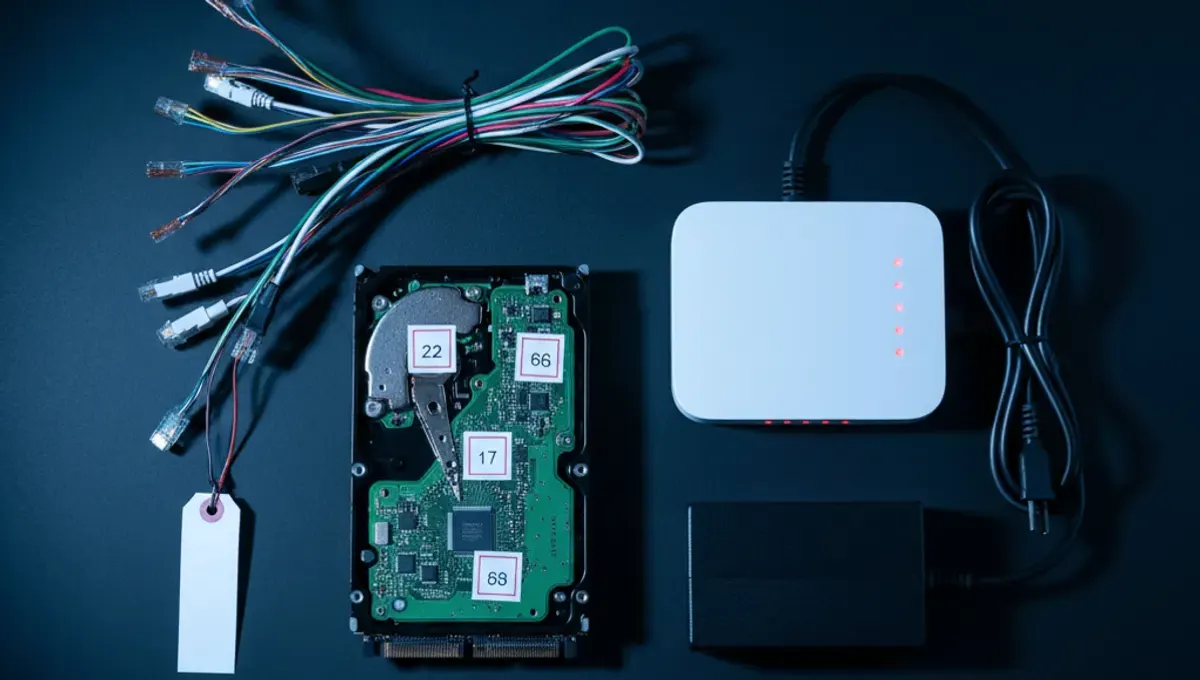
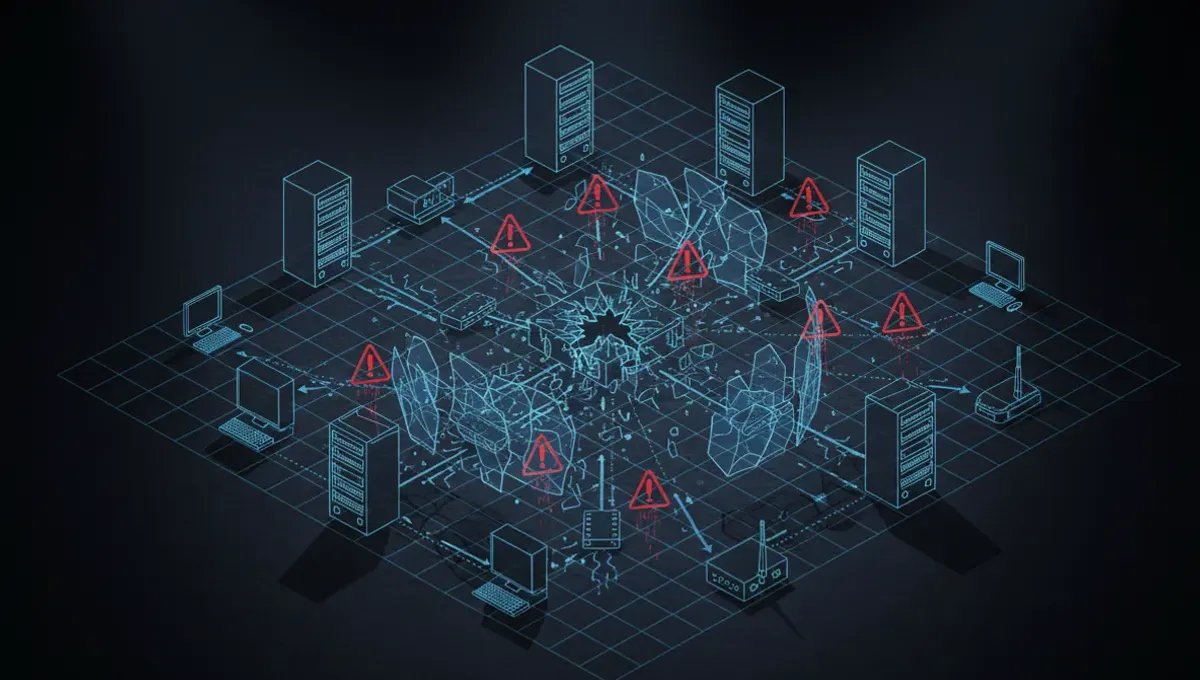
On April 5, 2022, the U.S. Department of Justice and German law enforcement seized Hydra Market's infrastructure and arrested its alleged operator. The action followed a multi-year investigation involving the FBI, DEA, and international partners. Law enforcement obtained access to Hydra's servers, which were hosted in Germany despite the marketplace's Russian focus. The seizure resulted in the arrest of a Russian national and the recovery of approximately 25 million USD in cryptocurrency. The U.S. government also imposed sanctions on the marketplace and its operators. This coordinated action demonstrated that even the largest, most sophisticated darknet markets remain vulnerable to determined law enforcement. The seizure also revealed that Hydra's operator had made operational mistakes: storing servers in jurisdictions where law enforcement could access them, and maintaining identifiable financial trails. These vulnerabilities contradicted the marketplace's reputation for security.
What Happened After Hydra's Closure
Following Hydra's seizure, its user base fragmented across remaining darknet markets. Some vendors and buyers migrated to Mega Darknet Market, which briefly became the largest Russian-language alternative. Others scattered to smaller, decentralized platforms. Law enforcement agencies worldwide used the Hydra seizure as a springboard for follow-up investigations, tracking users and vendors through blockchain analysis and traditional detective work. The marketplace's closure did not eliminate Russian-language darknet commerce; instead, it redistributed it. Smaller markets emerged to fill the void, though none achieved Hydra's scale or stability. The seizure also prompted marketplace operators to reconsider their infrastructure: some moved servers to less cooperative jurisdictions, while others adopted more aggressive anonymization techniques. However, the fundamental tension remained: centralized marketplaces offer better user experience and trust but create single points of failure for law enforcement.
Reality Layer: Why Hydra Matters for Darknet Security
Three insights from law-enforcement and security research clarify Hydra's significance. First, according to Tor Project documentation and blockchain analysis reports, even large, well-managed darknet markets remain vulnerable to law enforcement because they must maintain some centralized infrastructure to function. This matters because it shows that scale and operational security alone do not guarantee survival. Second, court records and law-enforcement statements reveal that Hydra's operators made critical mistakes in server placement and financial management, suggesting that even experienced criminals underestimate law enforcement's technical capabilities. This matters because it illustrates that darknet marketplace operators face inherent trade-offs between usability and anonymity. Third, security-vendor incident reports document how Hydra's closure triggered a wave of phishing attacks and scams targeting displaced users, showing that marketplace seizures create opportunities for secondary victimization. This matters because it demonstrates that law enforcement action, while disrupting criminal infrastructure, can paradoxically increase risk for ordinary users seeking to migrate their accounts.
Lessons for Darknet Users and Security Awareness
Hydra's history offers concrete lessons for anyone researching darknet markets or considering participation. The marketplace's seizure shows that size and reputation offer no protection against law enforcement. Users who stored cryptocurrency on Hydra lost access to their funds when servers were seized. Vendors who relied on Hydra as their primary income source faced sudden unemployment and potential prosecution. The marketplace's dominance also meant that law enforcement prioritized it, making it a higher-risk target than smaller, less visible alternatives. For security researchers and journalists, Hydra's operation illustrates how darknet markets function as infrastructure for organized crime, money laundering, and drug trafficking. Understanding these mechanics requires studying closed marketplaces rather than speculating about active ones. For ordinary internet users, Hydra's story reinforces a simple principle: any online platform that facilitates illegal commerce remains subject to law enforcement action, regardless of technical sophistication. The only reliable protection is not to participate.
Frequently asked
What was Hydra Market on the darknet
Hydra Market was the largest Russian-language darknet marketplace, operating from approximately 2015 until its seizure in April 2022. It functioned as a centralized platform for buying and selling illegal goods, primarily drugs, stolen data, and money laundering services. The marketplace processed an estimated 1.23 billion USD annually at its peak and dominated the Russian-speaking darknet ecosystem.
How did Hydra Market get shut down
U.S. federal law enforcement and German authorities seized Hydra Market's infrastructure on April 5, 2022. The operation followed a multi-year investigation and resulted in the arrest of the marketplace's alleged operator. Law enforcement recovered approximately 25 million USD in cryptocurrency and obtained access to Hydra's servers, which were hosted in Germany despite the marketplace's Russian focus.
Is Hydra Market still online
No. Hydra Market was permanently shut down in April 2022 following the law enforcement seizure. While phishing clones and fake mirrors claiming to be Hydra may appear online, the original marketplace no longer operates. Users who attempt to access supposed Hydra market links risk losing funds to scammers or exposing themselves to law enforcement investigation.
What happened to Hydra Market users after the seizure
After Hydra's closure, vendors and buyers migrated to other darknet markets, with many moving to Mega Darknet Market or smaller alternatives. Law enforcement used the seizure as a starting point for follow-up investigations, tracking users through blockchain analysis. Users who had stored cryptocurrency on Hydra lost access to their funds when the marketplace's servers were seized.
Why was Hydra Market so popular on the darknet
Hydra Market dominated the Russian-speaking darknet because it offered relative stability, a large vendor base, and operational security that exceeded earlier competitors. The marketplace implemented escrow systems, dispute resolution, and vendor reputation mechanisms that created trust among users. Its integration with Russian criminal networks and money laundering services also made it the de facto hub for darknet commerce in that region.