What the Dark Web Actually Is
The dark web is not a separate internet. It's a collection of websites and services that run on top of the standard internet but are intentionally hidden from search engines and require specific software to reach. These sites use the Tor network, which encrypts your traffic and bounces it through volunteer-operated servers around the world. The result is that your IP address and location are obscured from the sites you visit, and those sites' locations are hidden from you. This anonymity has legitimate uses: journalists protecting sources, activists in repressive countries, and people researching sensitive topics. It also attracts illegal activity, which is why law enforcement monitors the space. Understanding this balance is essential before you proceed.
Prerequisites Before You Start
Before you download anything, assess your setup. You need a computer with a reliable operating system, ideally one you can update regularly. Windows, macOS, and Linux all work, though Linux distributions like Tails or Whonix offer additional isolation if you're concerned about malware. You also need a stable internet connection and time to read documentation carefully. Do not rush through setup or skip verification steps. Consider whether you actually need to access the dark web for your specific purpose, or whether a VPN or standard privacy browser would suffice. If you're accessing it out of curiosity alone, understand that the dark web contains disturbing content alongside legitimate forums and archives. Finally, make sure you have a plan for what you're looking for before you connect, not after.
Downloading and Installing Tor Browser
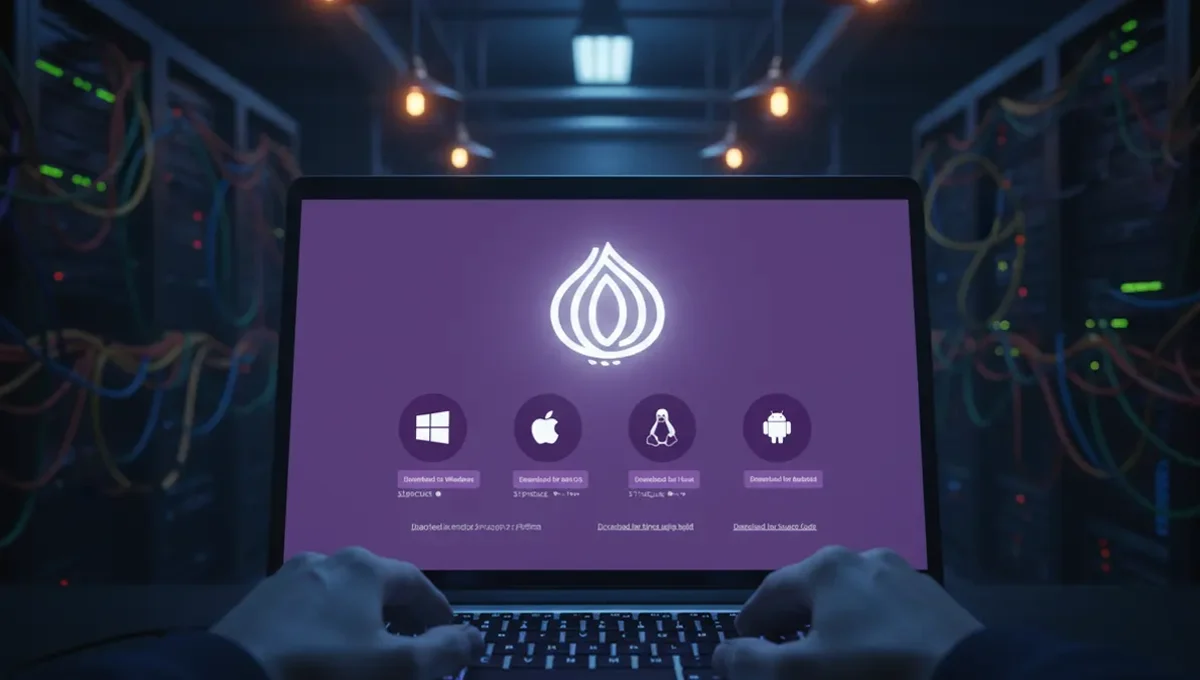
The official Tor Browser is maintained by the Tor Project and is the safest entry point. Visit the official Tor Project website directly by typing the URL into your browser, not by following a link from another site. Download the version for your operating system. Verify the signature of the downloaded file using the PGP key provided on the Tor Project site. This step prevents you from accidentally installing a fake or compromised version. After verification, extract the archive and run the Tor Browser executable. The first time you launch it, you'll see a connection window. Let it complete the connection process without interruption. Do not open additional browser windows or tabs until Tor has fully connected, which typically takes 10-30 seconds.
Connecting and Verifying Your Setup
Once Tor Browser opens, you'll see a standard Firefox-based interface. Your first action should be to verify that you're actually connected to Tor and that your traffic is being routed correctly. Visit the Tor Project's check page or a similar verification site to confirm your IP address has changed and that you're using Tor. The page will display a message confirming your connection. If it fails, close Tor Browser and try again. Do not proceed to access dark web sites until you've confirmed this works. After verification, you can navigate to .onion addresses by typing them directly into the address bar. These addresses are long strings of random characters followed by .onion. Bookmark legitimate sites using the browser's built-in bookmarks feature so you don't have to retype addresses and risk typos that could lead to phishing clones.
Understanding Dark Web Access Apps and Browsers
Tor Browser is the primary tool, but other applications can interact with the Tor network. Some users run Tor as a standalone service and route other applications through it, though this requires technical knowledge and increases the risk of leaks. Tails is a live operating system that routes all traffic through Tor by default and leaves no trace on your computer after shutdown. Whonix is a virtual machine setup that isolates Tor and your applications in separate layers. These alternatives provide stronger isolation but have steeper learning curves. For most users, Tor Browser alone is sufficient. Avoid using a dark web access app or dark web access browser that isn't from the Tor Project or a trusted security organization. Scammers distribute fake Tor apps through app stores and malicious websites. Stick to official sources and verify downloads before running them.
Common Mistakes and How to Avoid Them
The most dangerous mistake is maximizing your browser window. Tor Browser intentionally keeps a standard window size to prevent websites from identifying you based on screen resolution. Resize it back to default if you accidentally enlarge it. Another mistake is using your real name, email address, or any identifying information on dark web forums or sites. Treat every interaction as if you're speaking to strangers who may be law enforcement, scammers, or both. Do not enable plugins or extensions in Tor Browser unless you have a specific reason and understand the security implications. Do not download files unless you absolutely need them, and scan any downloads with antivirus software before opening them. Do not assume that being on the dark web makes you invisible. Law enforcement has successfully identified and prosecuted users through traffic analysis, metadata leaks, and old-fashioned investigation.
Reality Check: How Anonymity Actually Works and Fails
Tor provides strong anonymity against passive network observers, but it has real limits. According to Tor Project documentation, the network protects you from your ISP and website operators knowing your location, but it does not protect you from the sites themselves if you reveal personal information. If you log into a social media account or use identifying usernames, you've defeated the anonymity. Law enforcement press releases on darknet cases show that most arrests result from user mistakes like this, not from breaking Tor's encryption. Academic research on onion services demonstrates that traffic analysis can sometimes correlate Tor entry and exit points, especially if an attacker controls many nodes. This matters because it means Tor is a tool for privacy, not a guarantee of invisibility. Using Tor for legitimate purposes like accessing censored information or protecting your privacy from commercial tracking is legal in most countries. Using it to access illegal marketplaces or services exposes you to criminal liability regardless of the anonymity layer.
What to Do After You Connect
Once you're connected and verified, your next step depends on your actual purpose. If you're researching darknet markets for security awareness, visit archived documentation or news sites that cover the topic. If you're looking for a specific forum or resource, use the Useful Resources page on this site to find verified addresses and PGP-signed announcements. Do not click on random .onion links you find in search results or forums. Many are phishing clones designed to steal credentials or malware distribution points. If you're accessing the dark web to research a specific topic, take notes offline and disconnect when you're done. Close Tor Browser completely between sessions. Do not leave it running in the background. Each time you connect, you get a new Tor circuit, which is a security feature. Treat each session as independent and do not assume that your previous anonymity carries over.
Frequently asked
Is it illegal to access the dark web
No. Accessing the dark web using Tor Browser is legal in most countries. The legality depends on what you do once you're connected. Accessing illegal marketplaces or purchasing illegal goods is criminal. Researching the dark web, accessing censored information, or protecting your privacy is not.
What is a dark web access link
A dark web access link is a .onion address that points to a hidden service on the Tor network. These addresses are long strings of random characters. They are not indexed by search engines and must be typed directly into Tor Browser or obtained from trusted sources. Many links circulating online are phishing clones designed to steal credentials.
Can I use a VPN instead of Tor to access the dark web
No. A VPN only hides your IP address from your ISP and the websites you visit. It does not allow you to access .onion addresses. You need Tor Browser or another Tor client to connect to the Tor network and reach hidden services. Some users combine a VPN with Tor for additional privacy, but this is optional and has tradeoffs.
How do I know if a dark web site is real or a phishing clone
Verify addresses using PGP-signed announcements from the site's operators or from trusted security resources. Check the Useful Resources page on this site for verified addresses. Do not rely on search results or forum recommendations alone. If a site asks for credentials or payment, verify the address twice before entering any information.
What should I do if I accidentally download malware on the dark web
Disconnect from the internet immediately and run a full antivirus scan on your computer. If you're using Tails or Whonix, the malware is isolated and will be removed when you shut down. If you're using Windows or macOS, consider booting into safe mode before scanning. Do not open any files you downloaded until you've verified them.